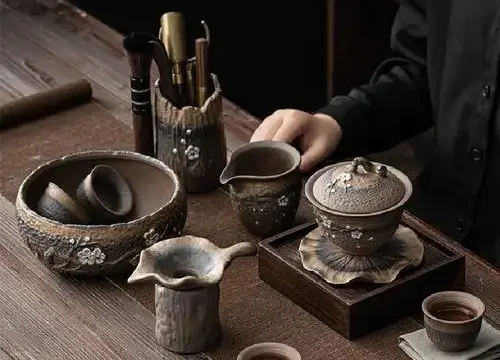
zài cháguǎn hē chá
在茶馆喝茶
Drinking Tea in Tea-house
zhè ge bǎn běn bāo hán:
这个版本包含:
This version includes:
xún wèn zuò wèi xuǎn zé
询问座位选择
Inquire about seat selection
bǐ jiào bù tóng chá yè
比较不同茶叶
Compare different types of tea
xuǎn zé chá yè děng jí
选择茶叶等级
Select tea grade
chá diǎn jiè shào
茶点介绍
Tea Break Introduction
pào chá bù zhòu jiǎng jiě
泡茶步骤讲解
Instructions for brewing tea steps
gòu mǎi chá yè
购买茶叶
Purchase tea
bàn huì yuán qiǎ
办会员卡
Apply membership card
—————————————————————————————————
New words
1 chá guǎn 茶馆 tea house
2 diǎn chá 点茶 order tea
3 qī chá 沏茶 brew tea
4 hē chá 喝茶 drink tea
5 pǐn chá 品茶 taste tea
6 bāo jiān 包间 private room
7 chá dān 茶单 tea menu
8 zhǒng lèi 种类 types, options
9 zhāo pái chá 招牌茶 signature tea
10 tè jí 特级 premium grade
11 lǜ dòu gāo 绿豆糕 mung bean cake
12 guì huā gāo 桂花糕 osmanthus cake
13 zǐ shāhú 紫砂壶 Yixing clay pot
14 gōng dào bēi 公道杯 fairness pitcher
15 pǐn míng bēi 品茗杯 tasting cup
16 chá lòu 茶漏 tea strainer
17 xǐng chá 醒茶 waking up the tea
18 xí guàn 习惯 get used to
19 nì 腻 greasy
20 lǐ hé zhuāng 礼盒装 gift box set
21 huì yuán kǎ 会员卡 membership card
—————————————————————————————————–
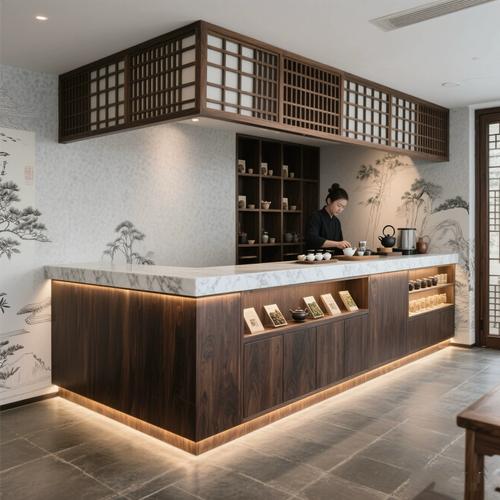
cháng jǐng: xià wǔ, yī jiā zhōng shì chá guǎn. kè rén zǒu jìn mén, qián tái fú wù yuán zài guì tái hòu miàn.
场景:下午,一家中式茶馆。客人走进门,前台服务员在柜台后面。
Scene: Afternoon, a traditional Chinese tea house. The guest walks in, and the female receptionist is behind the counter.
fú wù yuán: ” xià wǔ hǎo! huān yíng guāng lín. qǐng wèn jī wèi?”
服务员: “下午好!欢迎光临。请问几位?”
Receptionist: “Good afternoon! Welcome. How many people?”
kè rén: ” nǐ hǎo, jiù wǒ yī gè rén.”
客人: “你好,就我一个人。”
Guest: “Hello, just me.”
fú wù yuán: ” hǎo de, yī gè rén. nín xǐ huān zuò nǎ ér? kào chuāng de, kǎ zuò, hái shì bāo jiān?”
服务员: “好的,一个人。您喜欢坐哪儿?靠窗的、卡座,还是包间?”
Receptionist: “Alright, just one person. Where would you like to sit? By the window, a booth, or a private room?”
kè rén: ” kào chuāng de ba, guāng xiàn hǎo yī xiē.”
客人: “靠窗的吧,光线好一些。”
Guest: “By the window, please. The lighting is better.”
fú wù yuán: ” méi wèn tí. zhè biān qǐng, 3 hào zhuō. zhè shì wǒ mén de chá dān, nín xiān kàn kàn.”
服务员: “没问题。这边请,3号桌。这是我们的茶单,您先看看。”
Receptionist: “No problem. Right this way, Table 3. Here’s our tea menu. Take your time looking.”
kè rén:( fān kàn chá dān )” wā, zhǒng lèi huán tǐng duō de. zhè gè ‘ tiě guān yīn ‘ hé ‘ bì luó chūn ‘ yǒu shén me qū bié?”
客人: (翻看茶单)”哇,种类还挺多的。这个’铁观音’和’碧螺春’有什么区别?”
Guest: (flipping through the menu) “Wow, there are quite a lot of types/options. What’s the difference between this ‘Tieguanyin’ and ‘Biluochun’?”
fú wù yuán: ” tiě guān yīn shì wū lóng chá, wèi dào bǐ jiào chún hòu, yǒu yī diǎn guǒ xiāng hé lán huā xiāng, ér qiě hěn nài pào, kě yǐ chōng hǎo jī cì. bì luó chūn shì lǜ chá, kǒu gǎn gēng qīng shuǎng, xiān tián, dàn bù tài nài pào, yī bān sān sì pào jiù méi wèi dào le.”
服务员: “铁观音是乌龙茶,味道比较醇厚,有一点果香和兰花香,而且很耐泡,可以冲好几次。碧螺春是绿茶,口感更清爽、鲜甜,但不太耐泡,一般三四泡就没味道了。”
Receptionist: “Tieguanyin is an oolong tea. The flavor is richer and fuller, with a bit of fruity and orchid fragrance. It’s also very resilient — you can steep it many times. Biluochun is a green tea — it tastes fresher and sweeter, but it doesn’t last as long. Usually after three or four steeps, the flavor fades.”
kè rén: ” ň …… wǒ píng shí hē lǜ chá bǐ jiào duō, jīn tiān xiǎng shì shì bù yī yàng de. tiě guān yīn ba.”
客人: “嗯……我平时喝绿茶比较多,今天想试试不一样的。铁观音吧。”
Guest: “Hmm… I usually drink green tea more often, but today I want to try something different. I’ll go with Tieguanyin.”
fú wù yuán: ” hǎo xuǎn zé! tiě guān yīn shì wǒ mén de zhāo pái chá zhī yī. nín yào pǔ tōng de huán shì tè jí de? tè jí de guì yī xiē, dàn xiāng qì gēng zú, huí gān yě gēng míng xiǎn.”
服务员: “好选择!铁观音是我们的招牌茶之一。您要普通的还是特级的?特级的贵一些,但香气更足,回甘也更明显。”
Receptionist: “Good choice! Tieguanyin is one of our signature teas. Would you like the regular grade or the premium grade? The premium is more expensive, but the aroma is stronger and the ‘return sweetness’ is more noticeable.”
kè rén: ” tè jí de duō shǎo qián?”
客人: “特级的多少钱?”
Guest: “How much is the premium?”
fú wù yuán: ” tè jí de yī hú 98 kuài, pǔ tōng de 58 kuài.”
服务员: “特级的一壶98块,普通的58块。”
Receptionist: “The premium is 98 yuan per pot, and the regular is 58 yuan.”
kè rén: ” nà jiù tè jí de ba, nán de lái yī cì.”
客人: “那就特级的吧,难得来一次。”
Guest: “Then I’ll have the premium. I don’t come here often.”
fú wù yuán: ” hǎo de, yī hú tè jí tiě guān yīn, 98 kuài. yào bù yào zài lái diǎn chá diǎn? wǒ mén yǒu guā zǐ, huā shēng, hé táo rén, hái yǒu shǒu gōng lǜ dòu gāo hé guì huā gāo.”
服务员: “好的,一壶特级铁观音,98块。要不要再来点茶点?我们有瓜子、花生、核桃仁,还有手工绿豆糕和桂花糕。”
Receptionist: “Alright, one pot of premium Tieguanyin, 98 yuan. Would you like some tea snacks as well? We have sunflower seeds, peanuts, walnut kernels, and also handmade mung bean cake and osmanthus cake.”
kè rén: ” lǜ dòu gāo shì shén me?”
客人: “绿豆糕是什么?”
Guest: “What is mung bean cake?”
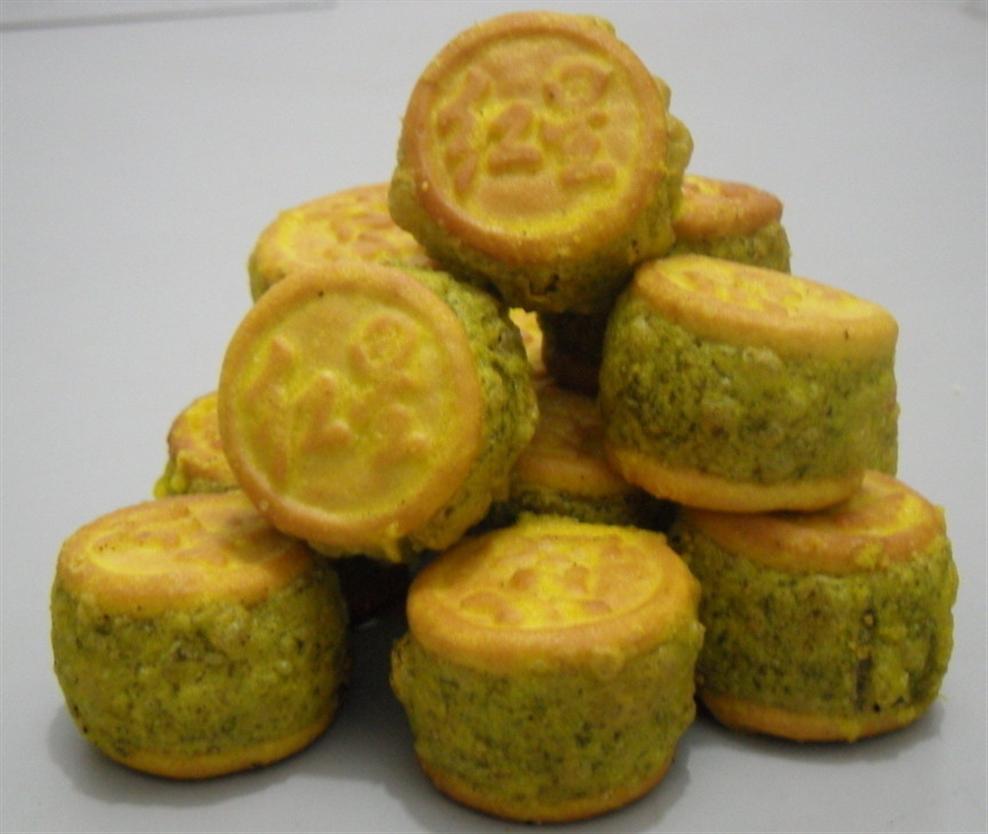
fú wù yuán: ” lǜ dòu gāo shì yòng lǜ dòu zuò de tián diǎn xīn, kǒu gǎn hěn xì nì, bù huì tài tián, pèi chá gāng gāng hǎo. hěn duō kè rén doū xǐ huān.”
服务员: “绿豆糕是用绿豆做的甜点心,口感很细腻,不会太甜,配茶刚刚好。很多客人都喜欢。”
Receptionist: “It’s a sweet snack made from mung beans. The texture is very smooth and delicate, not too sweet, and it goes perfectly with tea. Many of our guests love it.”
kè rén: ” tīng qǐ lái bù cuò, lái yī fèn ba. duō shǎo qián?”
客人: “听起来不错,来一份吧。多少钱?”
Guest: “Sounds good. I’ll take one serving. How much is it?”
fú wù yuán: ” lǜ dòu gāo yī fèn 18 kuài. yī gòng 116 kuài. nín shì xiàn zài mǎi dān hái shì děng huì ér yī qǐ jié?”
服务员: “绿豆糕一份18块。一共116块。您是现在买单还是等会儿一起结?”
Receptionist: “One serving of mung bean cake is 18 yuan. That comes to 116 yuan total. Would you like to pay now or settle everything later?”
kè rén: ” xiàn zài fù ba.”( sǎo mǎ zhī fù )
客人: “现在付吧。”(扫码支付)
Guest: “I’ll pay now.” (scans to pay)
fú wù yuán: ” shōu dào, xiè xiè. nín xiān zuò yī xià, wǒ mǎ shàng gěi nín qī chá. duì le, xū yào wǒ jiào nín zěn me pào ma? tiě guān yīn de pào fǎ hé lǜ chá bù tài yī yàng.”
服务员: “收到,谢谢。您先坐一下,我马上给您沏茶。对了,需要我教您怎么泡吗?铁观音的泡法和绿茶不太一样。”
Receptionist: “Got it, thank you. Please have a seat, I’ll brew your tea right away. Oh, by the way, would you like me to show you how to steep it? The brewing method for Tieguanyin is a bit different from green tea.”
kè rén: ” hǎo a, wǒ zhèng hǎo xiǎng xué xue.”
客人: “好啊,我正好想学学。”
Guest: “Sure, I’d love to learn.”
——————————————————————————————————-
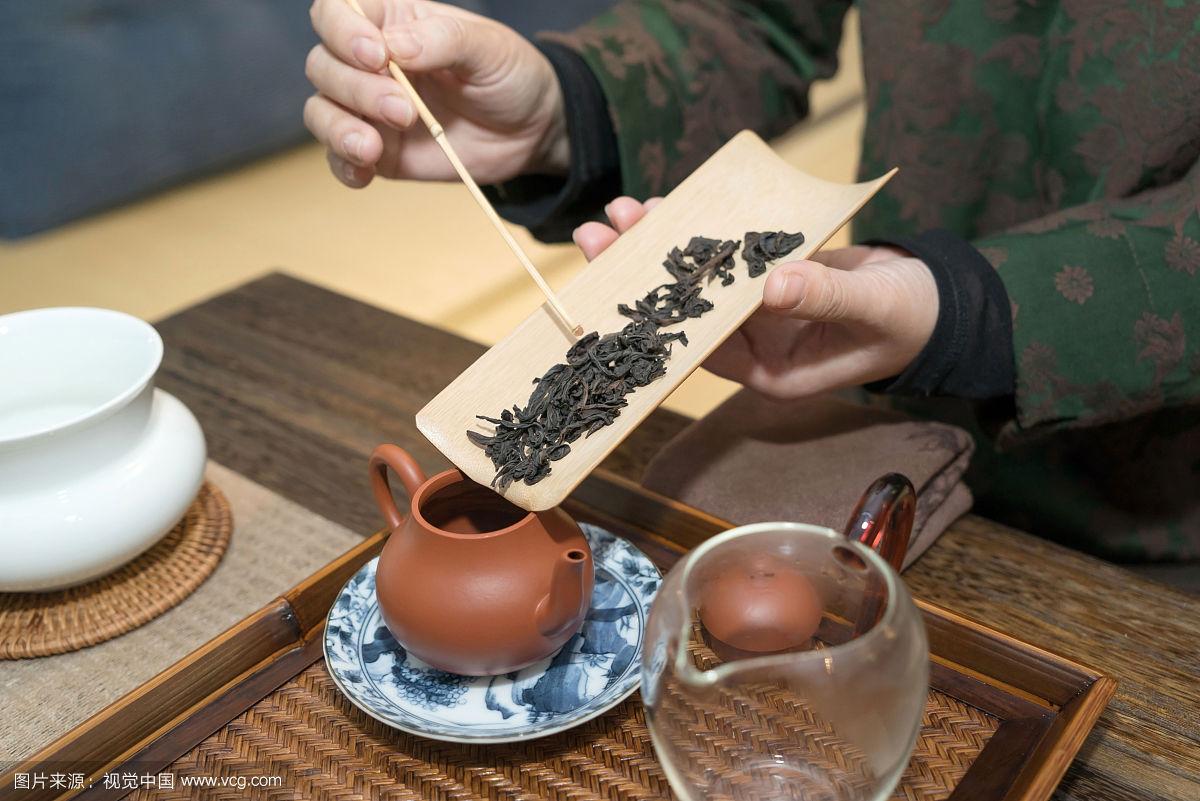
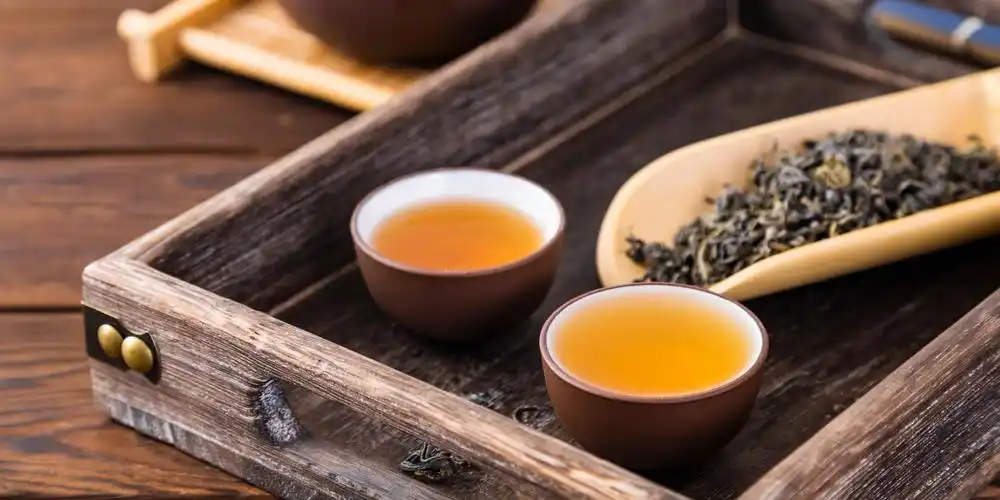
( fú wù yuán duān lái chá pán, shàng miàn fàng zhuó zǐ shā xiǎo hú, gōng dào bēi, pǐn míng bēi, chá lòu hé yī hú rè shuǐ.)
(服务员端来茶盘,上面放着紫砂小壶、公道杯、品茗杯、茶漏和一壶热水。)
(The receptionist brings a tea tray with a small Yixing clay pot, a fairness pitcher, tasting cups, a strainer, and a kettle of hot water.)
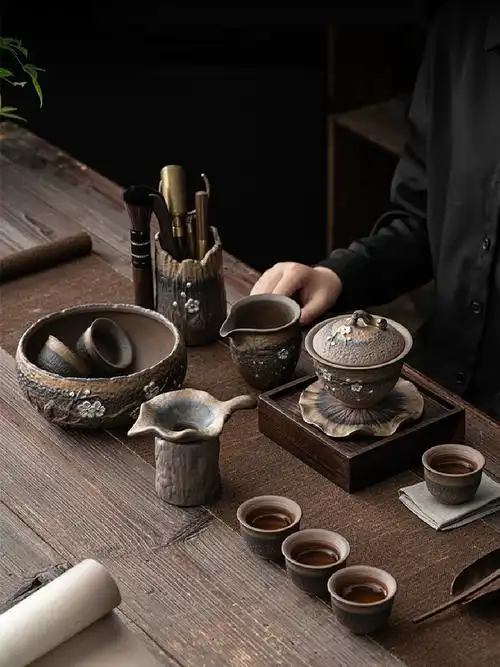
fú wù yuán: ” lái la. zhè shì nín de tiě guān yīn. shǒu xiān, wǒ mén yào yòng rè shuǐ xiān wēn yī xià hú hé bēi zǐ —— zhè yàng chá xiāng huì gēng nóng.”( yī biān shuō yī biān zuò dòng zuò )
服务员: “来啦。这是您的铁观音。首先,我们要用热水先温一下壶和杯子——这样茶香会更浓。”(一边说一边做动作)
Receptionist: “Here we are. This is your Tieguanyin. First, we warm the pot and cups with hot water — this helps the tea aroma come out stronger.” (demonstrates while speaking)
kè rén: ” ó , yuán lái huán yǒu zhè gè jiǎng jiū.”
客人: “哦,原来还有这个讲究。”
Guest: “Oh, I didn’t know there was this kind of detail.”
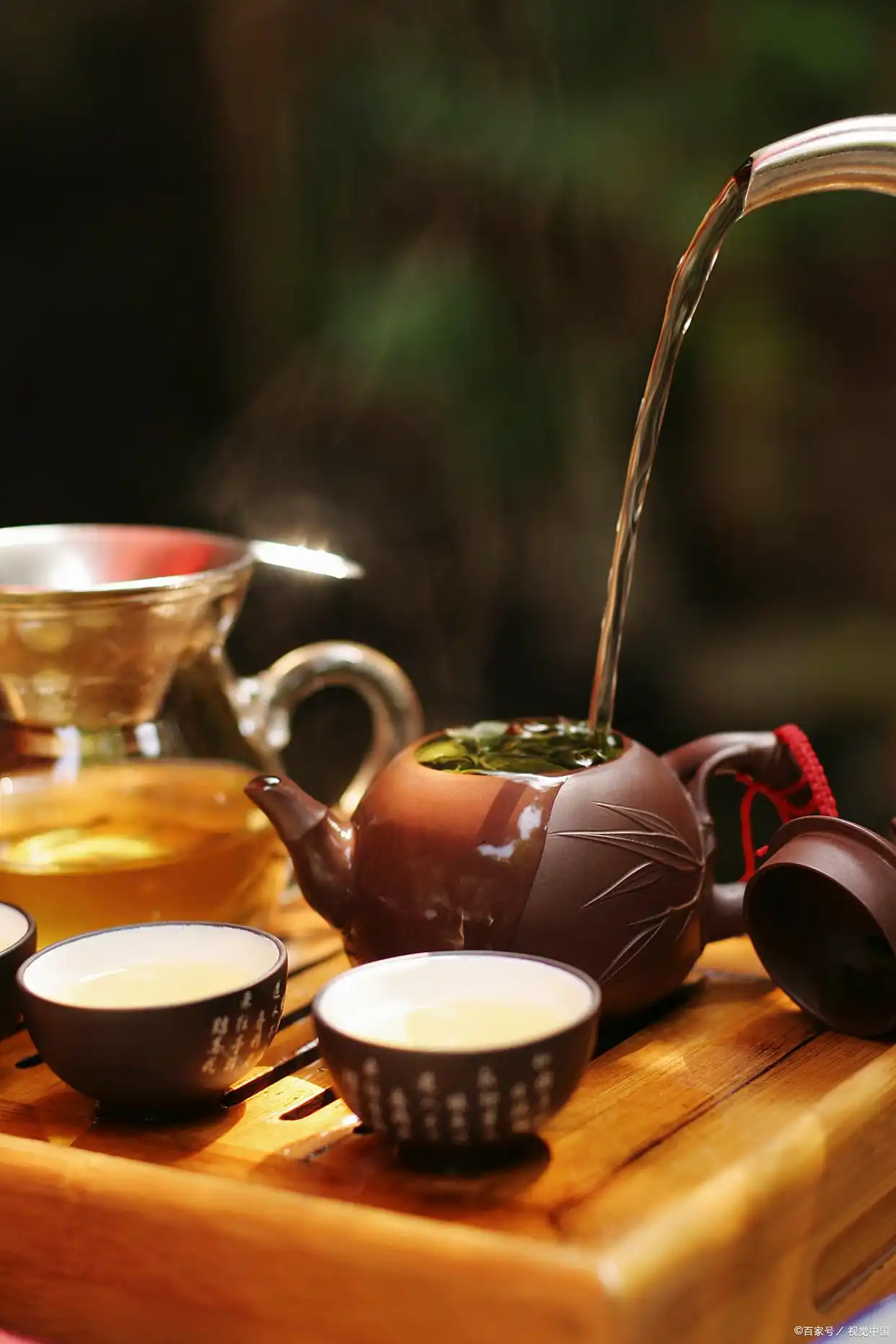
fú wù yuán: ” rán hòu fàng chá yè, dà gài shì hú róng liáng de sān fēn zhī yī. jiē zhuó shì xǐ chá —— yòng rè shuǐ chōng jìn qù, mǎ shàng dǎo chū lái, bù hē. zhè yī bù shì ‘ xǐng chá ‘, bǎ chá yè de xiāng qì huàn xǐng.”
服务员: “然后放茶叶,大概是壶容量的三分之一。接着是洗茶——用热水冲进去,马上倒出来,不喝。这一步是’醒茶‘,把茶叶的香气唤醒。”
Receptionist: “Then we add the tea leaves, about one-third of the pot’s volume. Next is washing the tea — pour hot water in and pour it out immediately. We don’t drink this. This step is called ‘waking up the tea‘ — it awakens the aroma of the leaves.”
kè rén: ” míng bái, jiù xiàng xǐ mǐ yī yàng?”
客人: “明白,就像洗米一样?”
Guest: “I see. Like rinsing rice?”
fú wù yuán: ” hā h, yǒu diǎn xiàng. xiàn zài kāi shǐ dì yī pào, děng chà bù duō 20 miǎo jiù kě yǐ chū tāng le.”( dǎo rù gōng dào bēi, zài fēn dào kè rén de xiǎo bēi zǐ lǐ )” nín cháng cháng.”
服务员: “哈哈,有点像。现在开始第一泡,等差不多20秒就可以出汤了。”(倒入公道杯,再分到客人的小杯子里)”您尝尝。”
Receptionist: “Haha, kind of like that. Now for the first proper steep, wait about 20 seconds before pouring out the tea.” (pours into the fairness pitcher, then into the guest’s small cup) “Please taste it.”
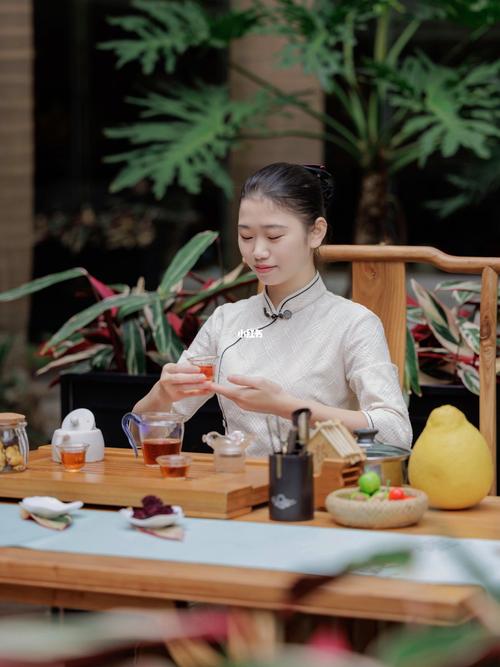
kè rén: ( hē le yī kǒu )” ň …… què shí hěn xiāng! yǒu yī diǎn diǎn tián wèi liú zài zuǐ lǐ.”
客人: (喝了一口)”嗯……确实很香!有一点点甜味留在嘴里。”
Guest: (takes a sip) “Mmm… it really is very fragrant! There’s a little bit of sweetness that lingers in my mouth.”
fú wù yuán: ” nín shuō dé duì, nà jiù shì ‘ huí gān. hǎo de tiě guān yīn, hē wán zhī hòu zuǐ lǐ huì yǒu tián sī sī de gǎn jué. dì èr pào kě yǐ shāo wēi duǎn yī diǎn, 15 miǎo zuǒ yòu jiù gòu le. hòu miàn měi pào zài jiā 5 dào 10 miǎo. zhè gè chá zhì shǎo néng pào liù qī cì.”
服务员: “您说得对,那就是’回甘’。好的铁观音,喝完之后嘴里会有甜丝丝的感觉。第二泡可以稍微短一点,15秒左右就够了。后面每泡再加5到10秒。这个茶至少能泡六七次。”
Receptionist: “You’re right — that’s what we call ‘return sweetness.’ Good Tieguanyin leaves a sweet aftertaste in your mouth. For the second steep, you can go a little shorter — about 15 seconds is enough. After that, add 5 to 10 seconds for each subsequent steep. This tea can easily give you six or seven good infusions.”
kè rén: ” zhè me nài pào a, nà tǐng huá suàn de.”
客人: “这么耐泡啊,那挺划算的。”
Guest: “So resilient! That’s quite good value.”
fú wù yuán: ” shì a. shuǐ hú wǒ fàng zài zhè ér, nín zì jǐ xù shuǐ jiù háng. lǜ dòu gāo yě lái le, nín pèi zhuó cháng cháng. yǒu shì àn zhuō shàng de líng, wǒ mǎ shàng guò lái.”
服务员: “是啊。水壶我放在这儿,您自己续水就行。绿豆糕也来了,您配着尝尝。有事按桌上的铃,我马上过来。”
Receptionist: “Exactly. I’ll leave the kettle here for you, so you can refill it yourself. Here’s your mung bean cake too — try it with the tea. If you need anything, just press the bell on your table and I’ll come right over.”
kè rén: ” hǎo de, tài gǎn xiè le!”
客人: “好的,太感谢了!”
Guest: “Great, thank you so much!”
( dà yuē yī gè bàn xiǎo shí hòu, kè rén hē wán chá, qǐ shēn zǒu dào guì tái.)
(大约一个半小时后,客人喝完茶,起身走到柜台。)
(About an hour and a half later, the guest finishes the tea and walks up to the counter.)
fú wù yuán: ” nín hē dé zěn me yàng? huán xí guàn ma?”
服务员: “您喝得怎么样?还习惯吗?”
Receptionist: “How did you enjoy it? Did you get used to the flavor?”
kè rén: ” fēi cháng hǎo! wǒ pào le dà gài qī bā cì, hòu miàn de wèi dào suī rán dàn le, dàn huán shì yǒu xiāng qì de. lǜ dòu gāo yě hěn hǎo chī, bù huì nì.”
客人: “非常好!我泡了大概七八次,后面的味道虽然淡了,但还是有香气的。绿豆糕也很好吃,不会腻。”
Guest: “It was wonderful! I steeped it about seven or eight times. The later steeps were lighter, but still had fragrance. And the mung bean cake was delicious — not too greasy at all.”
fú wù yuán: ” nín xǐ huān jiù hǎo. hěn duō dì yī cì hē tiě guān yīn de kè rén dū huì ài shàng tā.”
服务员: “您喜欢就好。很多第一次喝铁观音的客人都会爱上它。”
Receptionist: “I’m glad you liked it. Many people who try Tieguanyin for the first time fall in love with it.”
kè rén: ” wǒ què shí ài shàng le. duì le, nǐ mén zhè ér mài chá yè ma? wǒ xiǎng mǎi yī diǎn dài huí qù zì jǐ pào.”
客人: “我确实爱上了。对了,你们这儿卖茶叶吗?我想买一点带回去自己泡。”
Guest: “I really did fall in love with it. By the way, do you sell tea leaves here? I’d like to buy some to take home and brew myself.”
fú wù yuán: ” mài yā! wǒ mén yǒu lǐ hé zhuāng de, yě yǒu jiǎn zhuāng dài de. tóng kuǎn tè jí tiě guān yīn, 50 kè yī dài, 80 kuài qián. nín yào de huà wǒ kě yǐ gěi nín bāo qǐ lái.”
服务员: “卖呀!我们有礼盒装的,也有简装袋的。同款特级铁观音,50克一袋,80块钱。您要的话我可以给您包起来。”
Receptionist: “We do! We have gift box sets and also simple bagged packages. The same premium Tieguanyin, 50 grams per bag, is 80 yuan. If you want, I can wrap it up for you.”
kè rén: ” ná yī dài ba. lìng wài wǒ gāng cái yǐ jīng fù guò chá qián le bā?”
客人: “拿一袋吧。另外我刚才已经付过茶钱了吧?”
Guest: “I’ll take one bag. Also, I already paid for the tea earlier, right?”
fú wù yuán: ” duì de, chá shuǐ hé lǜ dòu gāo yī gòng 116 kuài, nín yǐ jīng fù le. jīn tiān zhī xū yào zài fù zhè dài chá yè de qián, 80 kuài.”( dǎ dān zǐ )
服务员: “对的,茶水和绿豆糕一共116块,您已经付了。今天只需要再付这袋茶叶的钱,80块。”(打单子)
Receptionist: “That’s correct. The tea and mung bean cake came to 116 yuan, and you already paid. Today you only need to pay for the bag of tea leaves — 80 yuan.” (rings it up)
kè rén: ” hǎo de.”( sǎo mǎ zhī fù )
客人: “好的。”(扫码支付)
Guest: “Alright.” (scans to pay)

fú wù yuán: ” hǎo le, gěi nín zhuāng hǎo le. huí jiā pào de shí hòu jì zhù, shuǐ bù yào tài kāi, 95 dù zuǒ yòu zuì hǎo. hái yǒu, měi cì chū tāng yào dǎo gān jìng, bù yào ràng chá yè yī zhí pào zài shuǐ lǐ, bù rán huì kǔ.”
服务员: “好了,给您装好了。回家泡的时候记住,水不要太开,95度左右最好。还有,每次出汤要倒干净,不要让茶叶一直泡在水里,不然会苦。”
Receptionist: “Here you go, all packed. When you brew it at home, remember — don’t use boiling water. Around 95°C is best. Also, pour out all the tea each time — don’t let the leaves sit in the water for too long, or it will become bitter.”
kè rén: ” jì zhù le. duì le, nǐ mén yǒu huì yuán kǎ ma?”
客人: “记住了。对了,你们有会员卡吗?”
Guest: “Got it. By the way, do you have a membership card?”
fú wù yuán: ” yǒu de! chōng 300 kuài sòng yī guàn jià zhí 50 kuài de huā chá, ér qiě měi cì xiāo fèi dǎ 95 zhē. nín yào bàn yī zhāng ma?”
服务员: “有的!充300块送一罐价值50块的花茶,而且每次消费打95折。您要办一张吗?”
Receptionist: “Yes, we do! If you top up 300 yuan, we give you a free can of flower tea worth 50 yuan, and you get 5% off every purchase. Would you like to sign up?”
kè rén: ” hǎo a, fǎn zhèng wǒ yǐ hòu kěn dìng huì cháng lái de.”( tián le yī zhāng jiǎn dān de dēng jì biǎo )
客人: “好啊,反正我以后肯定会常来的。”(填了一张简单的登记表)
Guest: “Sure, I’ll definitely be coming often from now on.” (fills out a simple registration form)
fú wù yuán: ” bàn hǎo le, zhè shì nín de huì yuán qiǎ. xià cì zhí jiē bào shǒu jī hào yě háng.”
服务员: “办好了,这是您的会员卡。下次直接报手机号也行。”
Receptionist: “All set. Here’s your membership card. Next time, you can just give us your phone number too.”
kè rén: ” tài hǎo le. nà wǒ zǒu le, xiè xie!”
客人: “太好了。那我走了,谢谢!”
Guest: “Great. I’ll be going now. Thank you!”
fú wù yuán: ” bù kè qì, huān yíng cháng lái! màn zǒu!”
服务员: “不客气,欢迎常来!慢走!”
Receptionist: “You’re welcome! Hope to see you again soon. Take care and have a safe trip home!”
kè rén: ” zài jiàn!”
客人: “再见!”
Guest: “Goodbye!”
fú wù yuán: ” zài jiàn!”
服务员: “再见!”
Receptionist: “Goodbye!”
Leave a Reply