zhōng guó bā dà cài xì
中 国 八 大 菜 系
The Eight Traditional Chinese Cuisines
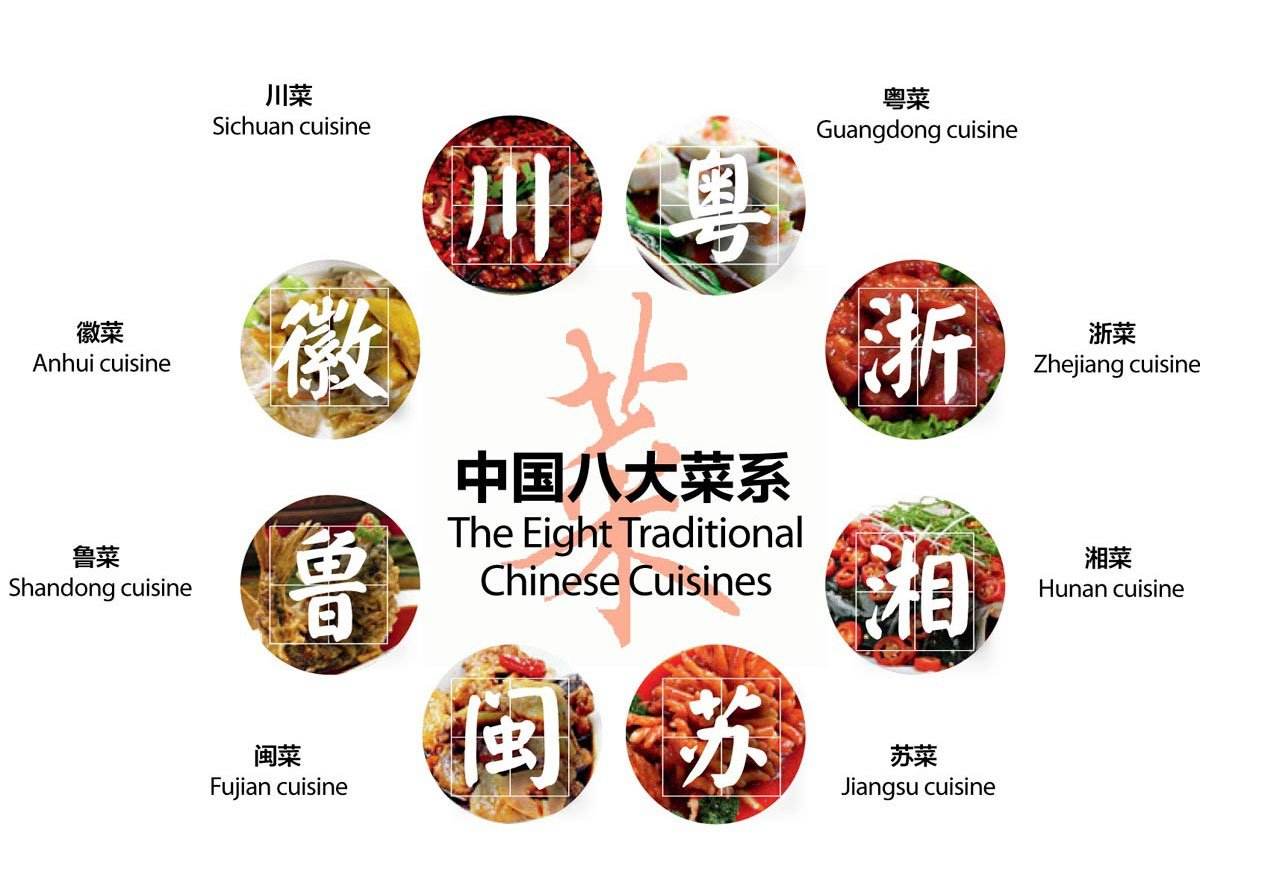
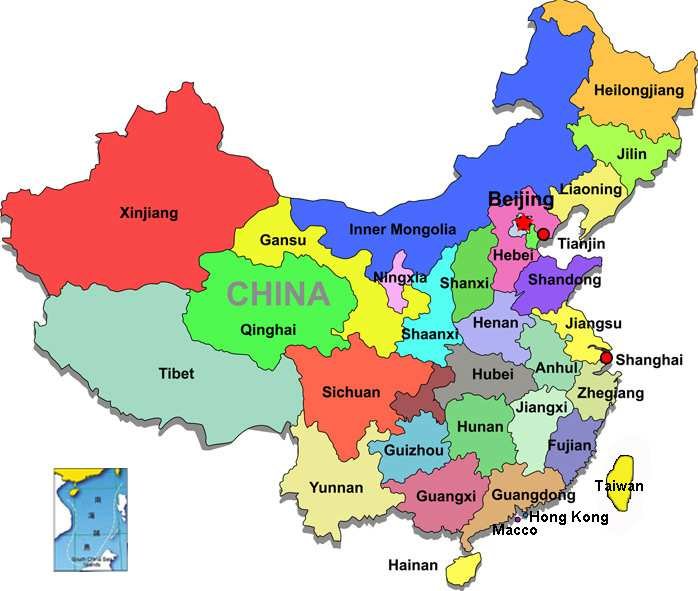
zhōng guó chuán tǒng cān yǐn wén huà lì shǐ yōu jiǔ, cài yáo zài pēng rèn zhōng yǒu xǔ duō liú pài. zài qīng dài xíng chéng lǔ, chuān, yuè, sū sì dà cài xì. hòu lái, mǐn, zhè, xiāng, huī děng dì fāng cài yě zhú jiàn chū míng, yú shì xíng chéng le zhōng guó de “ bā dà cài xì ”, jí lǔ cài, chuān cài, yuè cài, jiāng sū cài, mǐn cài, zhè jiāng cài, xiāng cài, huī cài.
中国传统餐饮文化历史悠久,菜肴在烹饪中有许多流派。在清代形成鲁、川、粤、苏四大菜系,后来,闽、浙、湘、徽等地方菜也逐渐出名,于是形成了中国的“八大菜系”,即鲁菜、川菜、粤菜、江苏菜、闽菜、浙江菜、湘菜、徽菜。
Chinese traditional catering culture has a long history, and there are many types of cuisine. In the Qing Dynasty, four major cuisines were formed, namely, Shandong cuisine, Sichuan cuisine, Cantonese cuisine and Jiangsu cuisine. Later, local cuisines such as Fujian cuisine, Zhejiang cuisine, Hunan cuisine and Anhui cuisine became increasingly famous, and thus formed China’s “eight major cuisines”, namely, Shandong cuisine, Sichuan cuisine, Cantonese cuisine, Jiangsu cuisine, Fujian cuisine, Zhejiang cuisine, Hunan cuisine and Anhui cuisine.
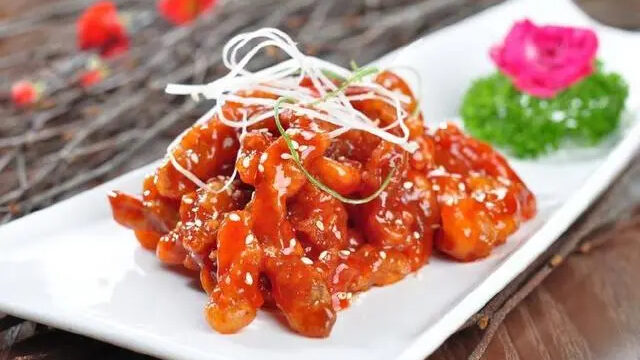
lǔ cài qǐ yuán yú shān dōng de qí lǔ fēng wèi, shì zhōng guó yǐng xiǎng zuì dà de gōng tíng cài xì. lǔ cài de xíng chéng hé fā zhǎn yǔ shān dōng dì qū de wén huà lì shǐ, dì lǐ huán jìng, jīng jì hé xí sú yǒu guān. shān dōng shì zhōng guó gǔ wén huà fā xiáng dì zhī yī.
1 鲁菜起源于山东的齐鲁风味,是中国影响最大的宫廷菜系。鲁菜的形成和发展与山东地区的文化历史、地理环境、经济和习俗有关。山东是中国古文化发祥地之一。
Shandong cuisine originated from Shandong’s Qilu flavor and is the most influential imperial cuisine in China. The formation and development of Shandong cuisine is related to the cultural history, geographical environment, economy and customs of Shandong. Shandong is one of the birthplaces of ancient Chinese culture.
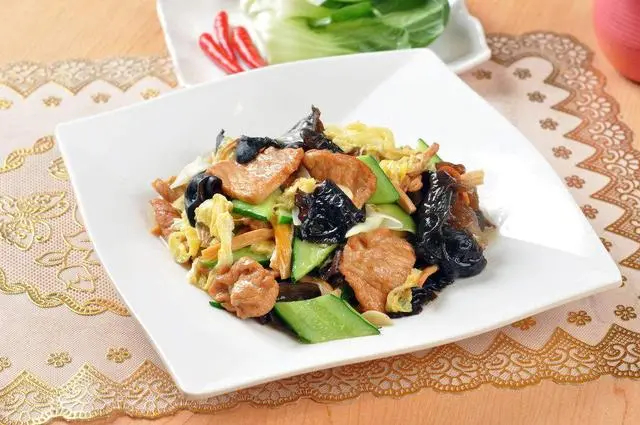
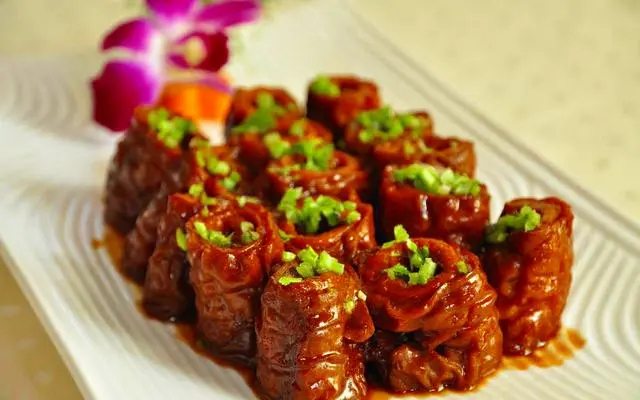
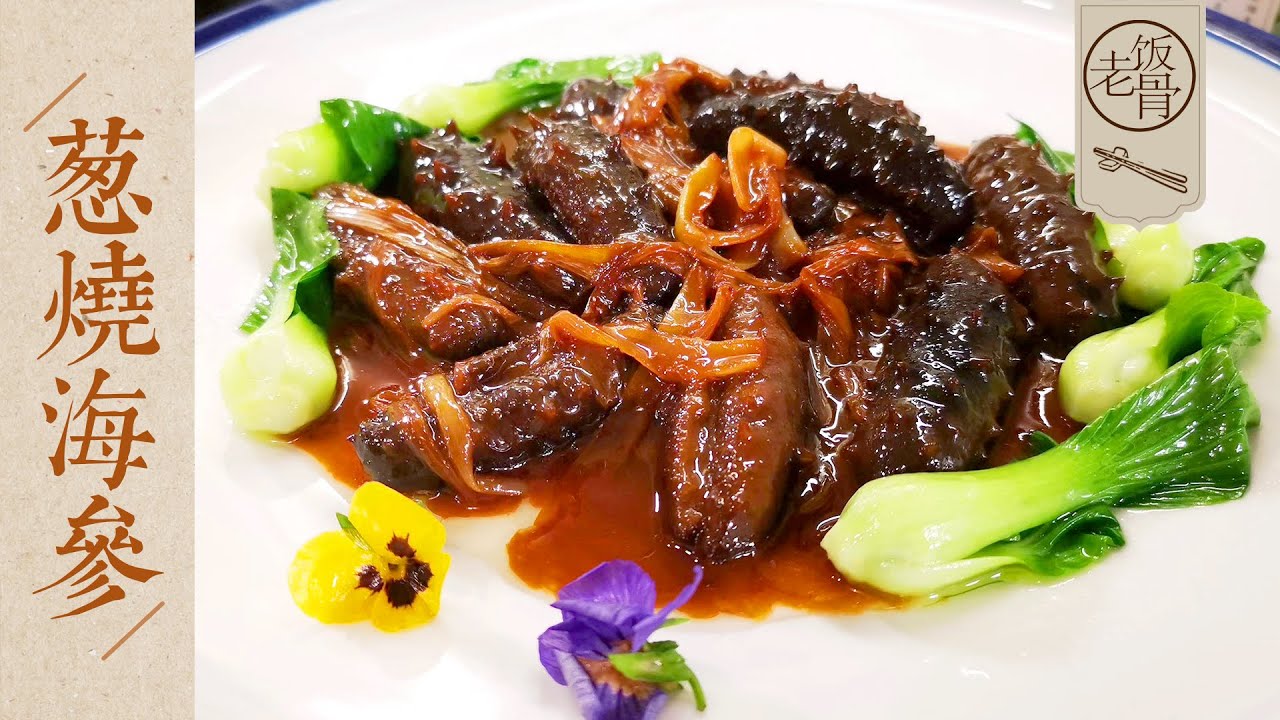
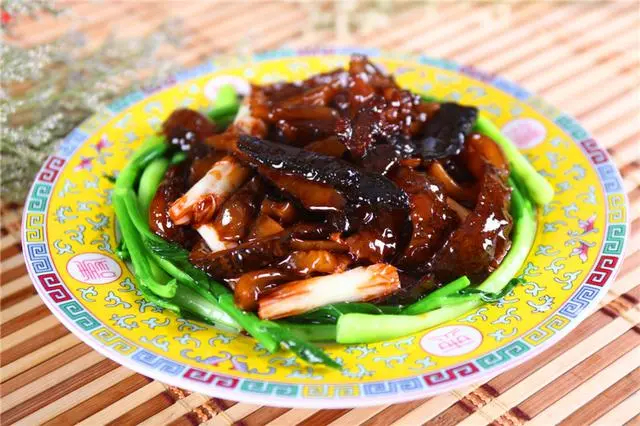
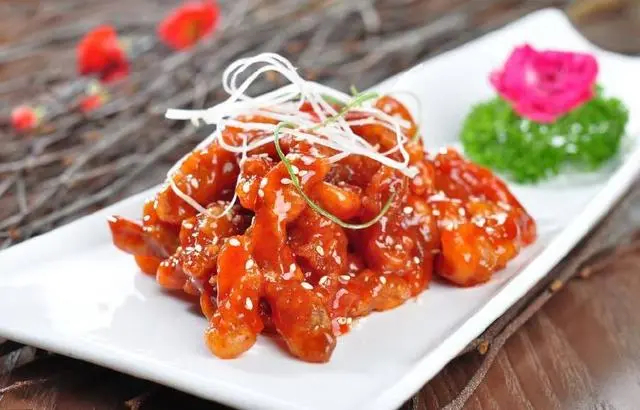
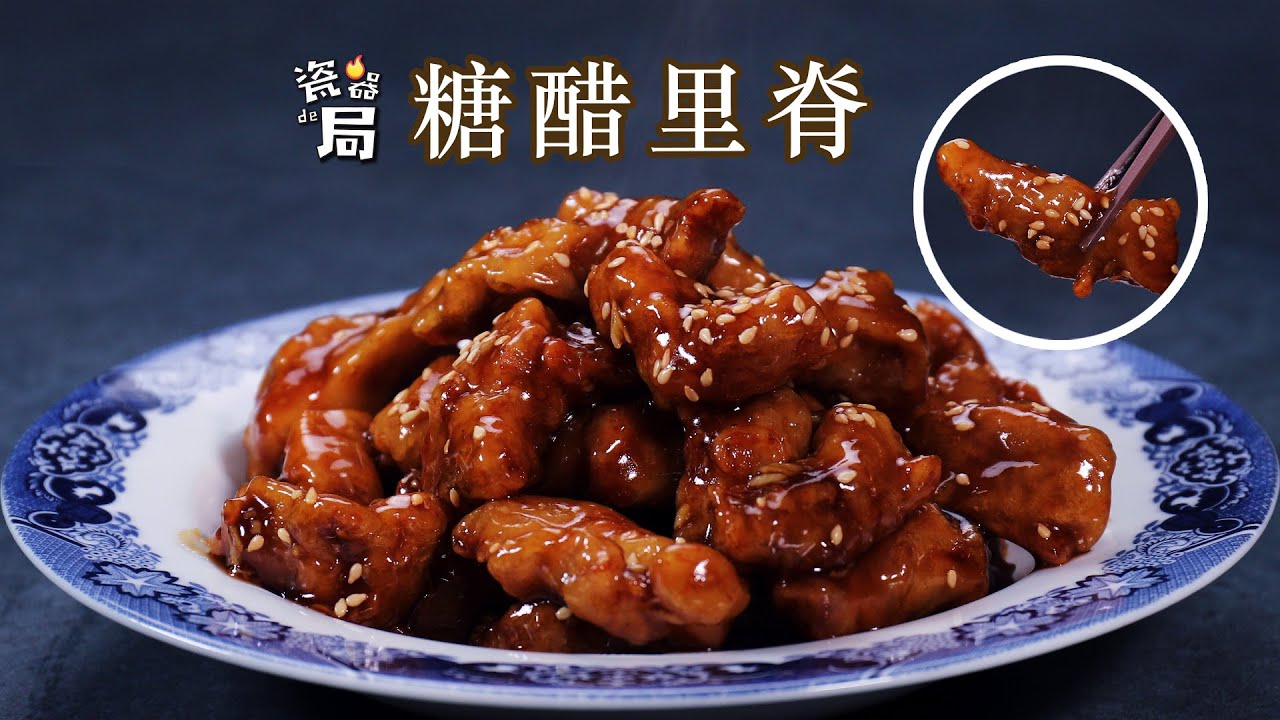
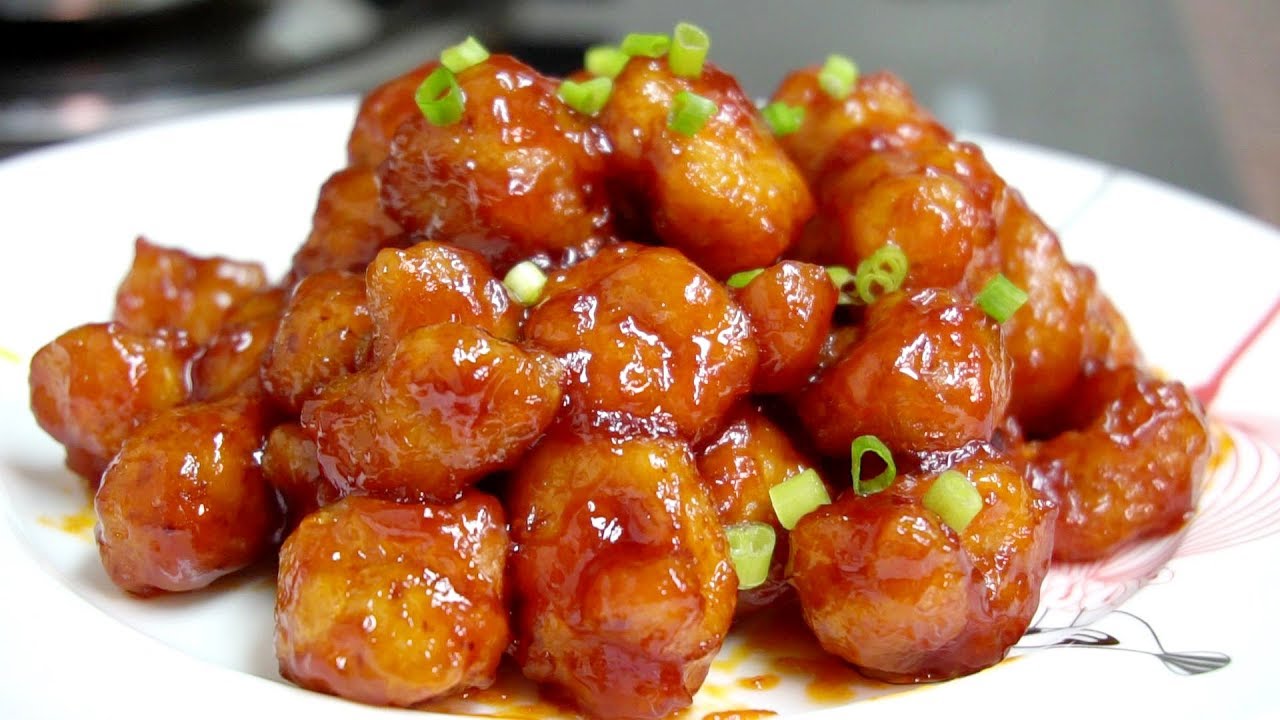
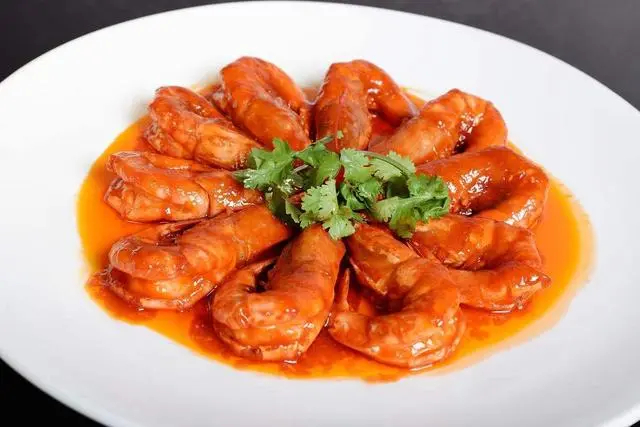
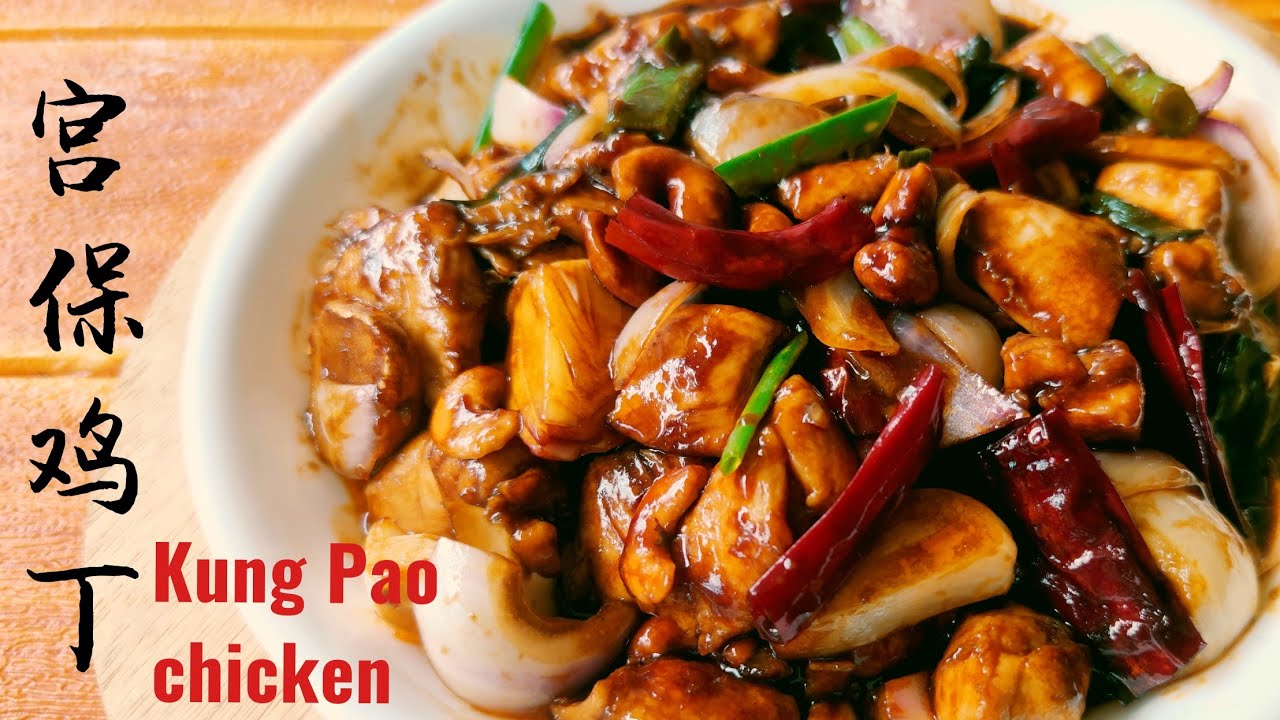
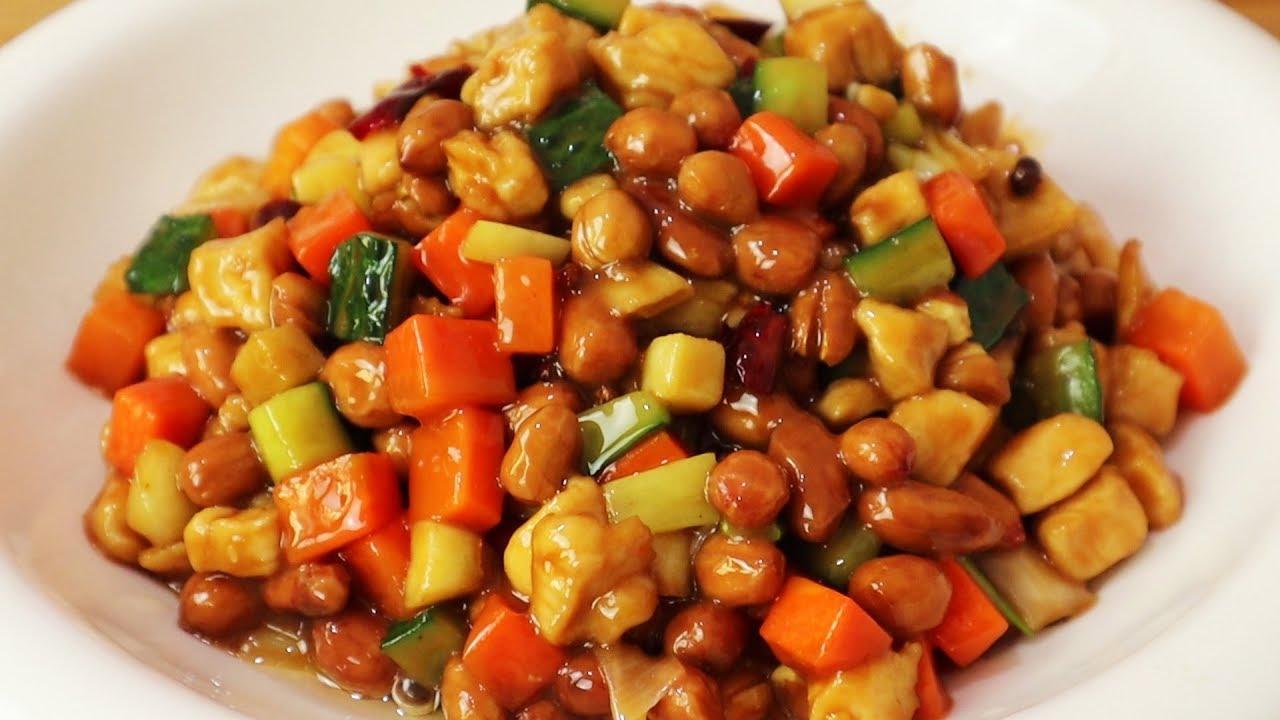
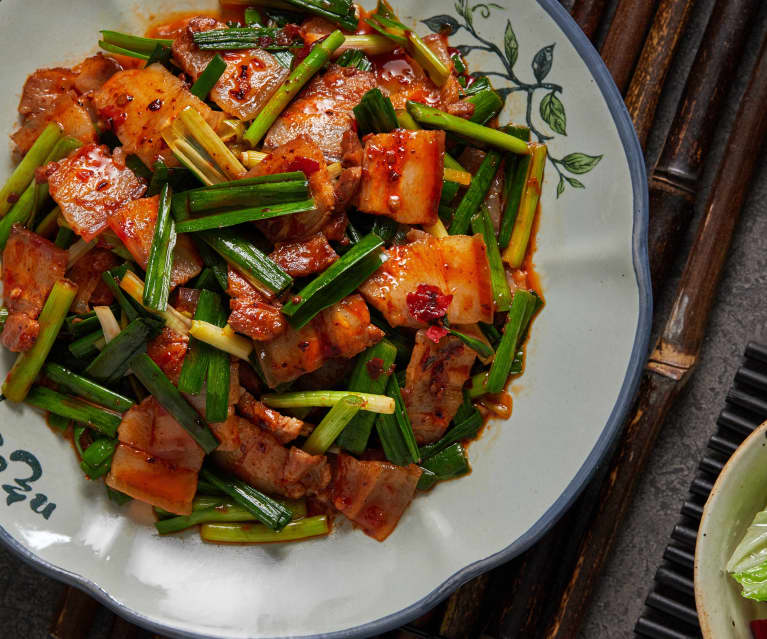
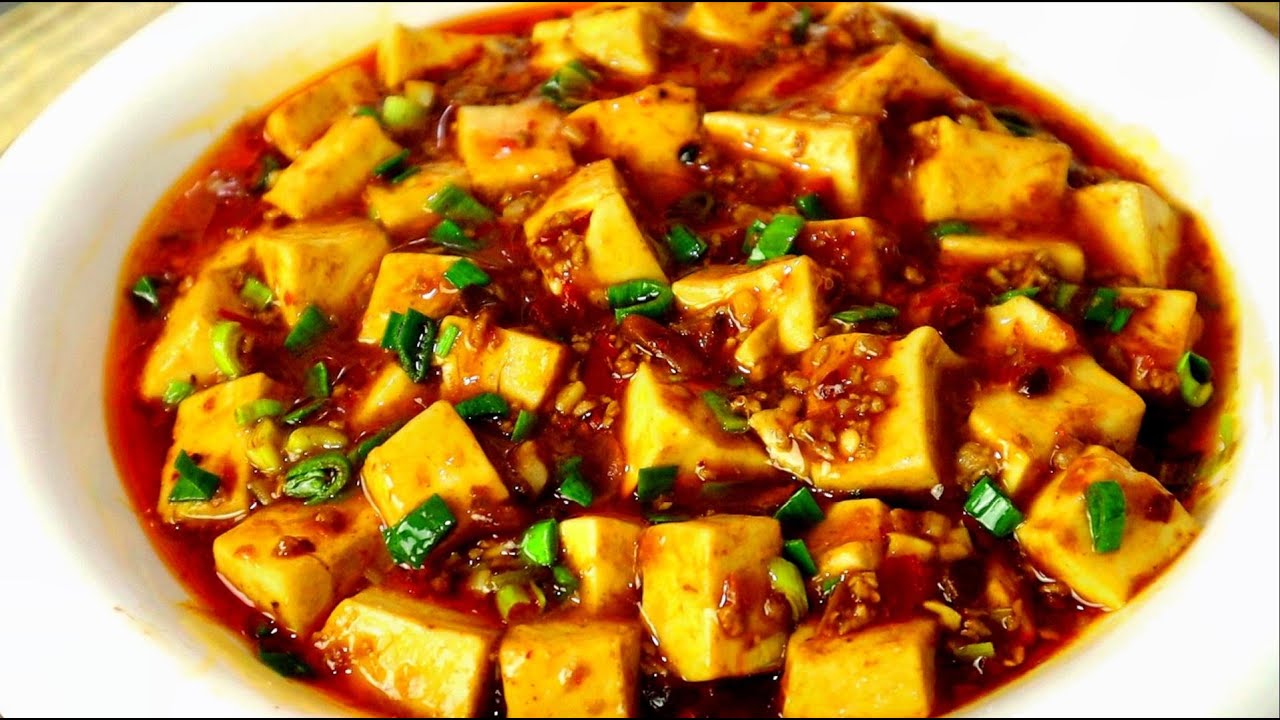
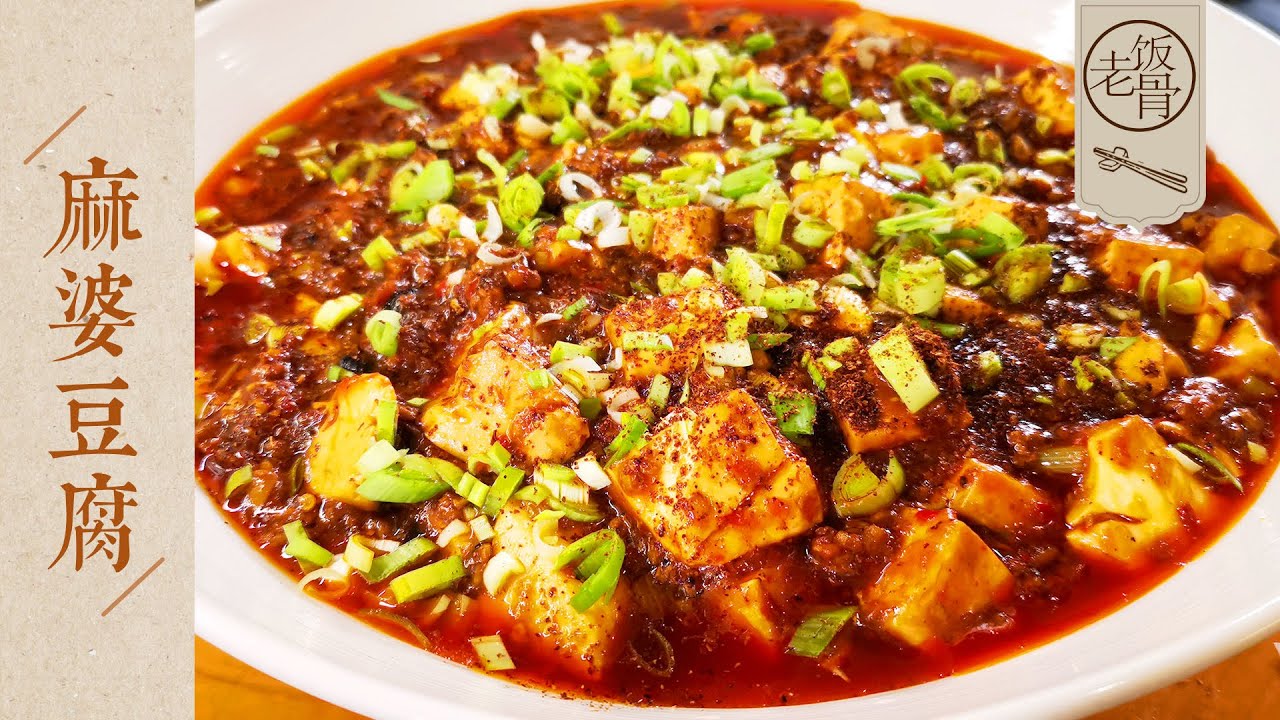
chuān cài shì zhōng guó hàn zú chuán tǒng de bā dà cài xì zhī yī. qǐ yuán yú sì chuān, chóng qìng, yǐ má, là, xiān, xiāng wèi tè sè. chuān cài de chū xiàn kě zhuī sù zhì qín hàn shí qī. chuān cài shì zhōng guó zuì yǒu tè sè de cài xì, yě shì mín jiān zuì dà cài xì.
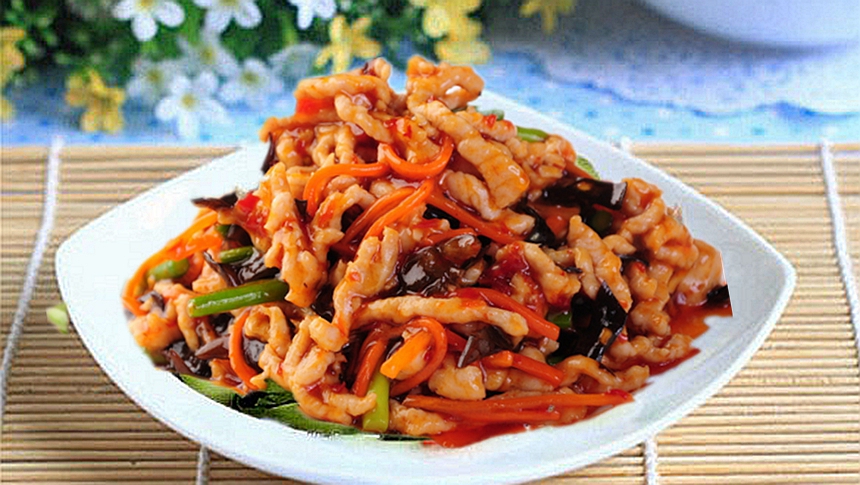
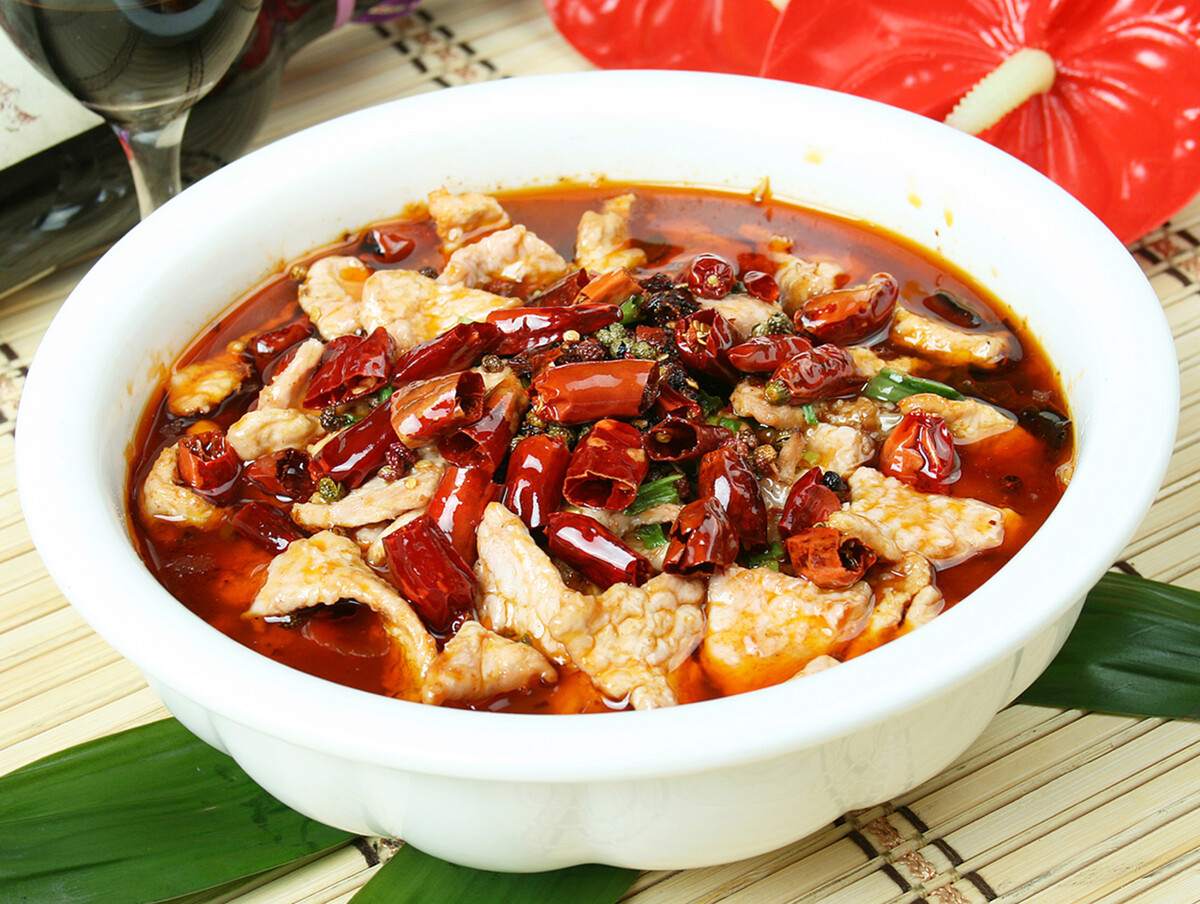
2 川菜是中国汉族传统的八大菜系之一。起源于四川、重庆,以麻、辣、鲜、香为特色。川菜的出现可追溯至秦汉时期。川菜是中国最有特色的菜系,也是民间最大菜系。
Sichuan cuisine is one of the eight traditional cuisines of the Chinese Han nationality. Originated in Sichuan and Chongqing, it is characterized by hemp/numb, spicy, fresh and fragrant. The emergence of Sichuan cuisine can be traced back to the Qin and Han Dynasties. Sichuan cuisine is the most distinctive cuisine in China and the largest folk cuisine.
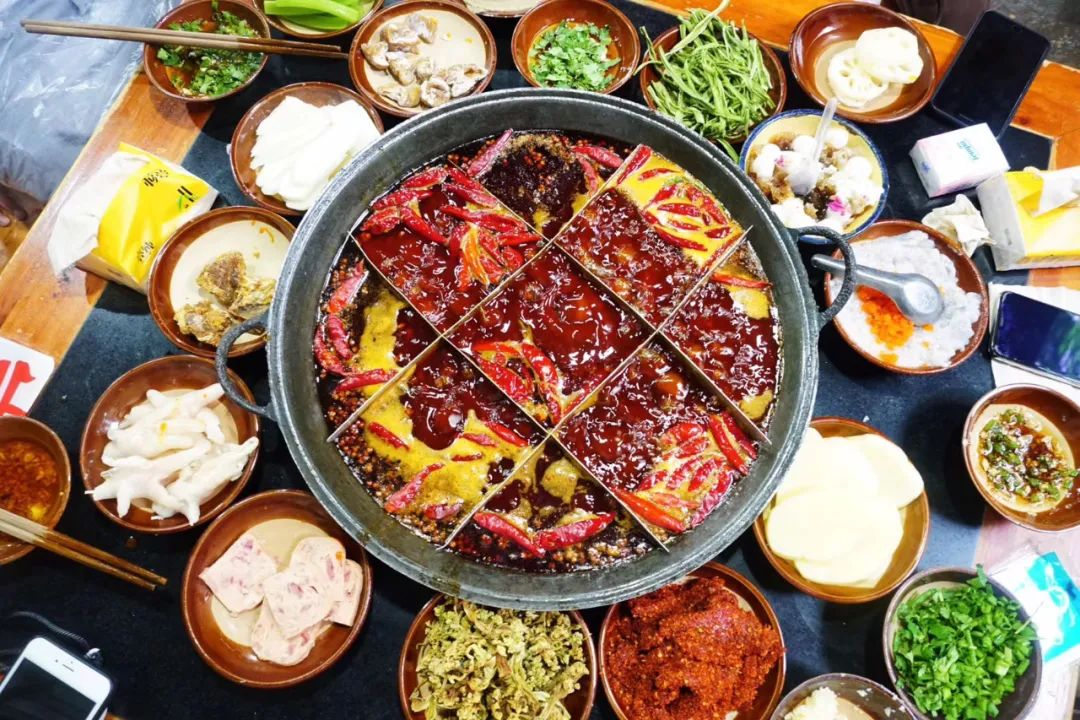
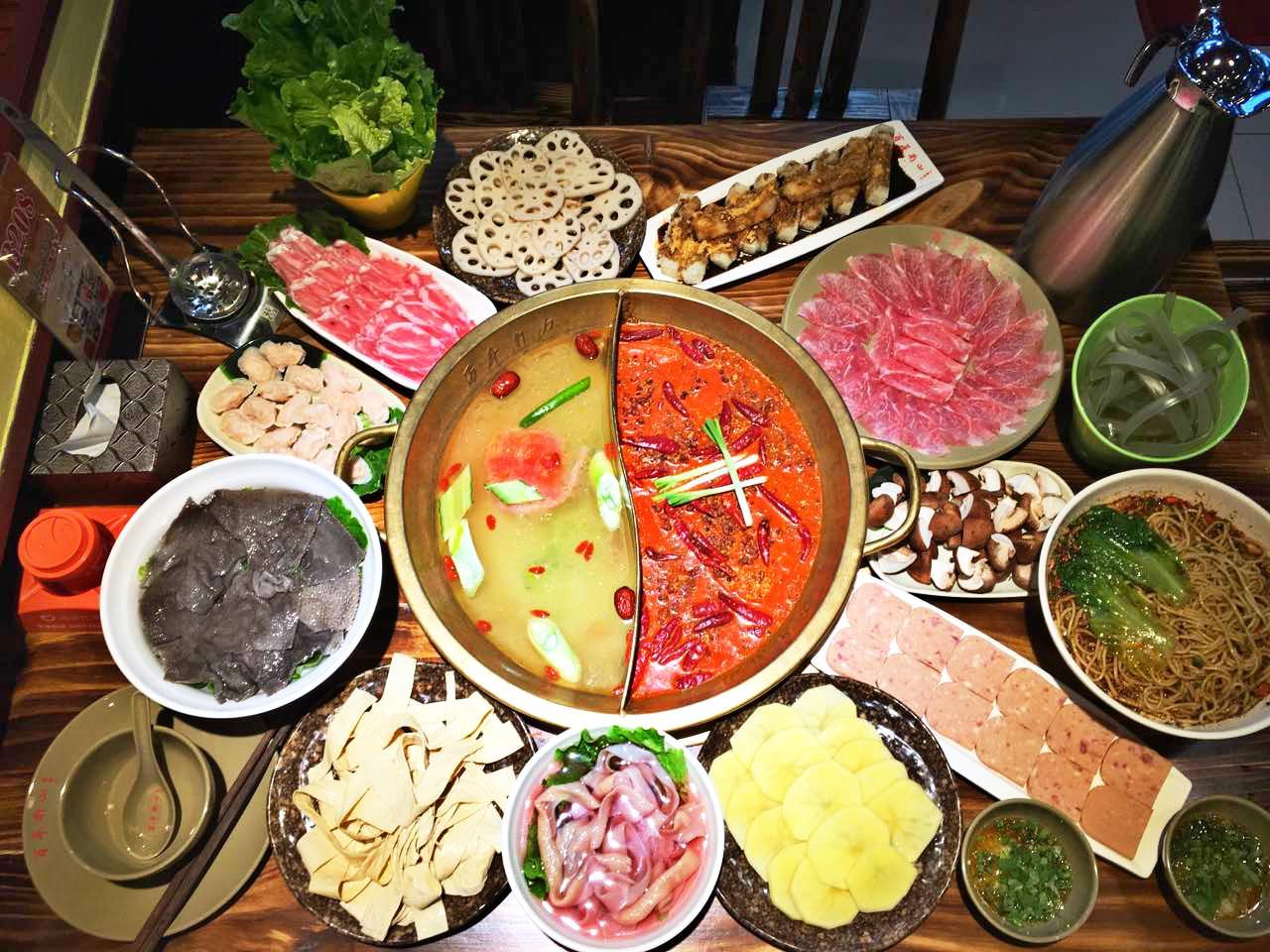
zài chóng qìng, nǐ kě yǐ pǐn cháng dào dì dào de chóng qìng huǒ guō!
在重庆,你可以品尝到地道的重庆火锅!
In Chongqing, you can taste the authentic Chongqing hot pot!
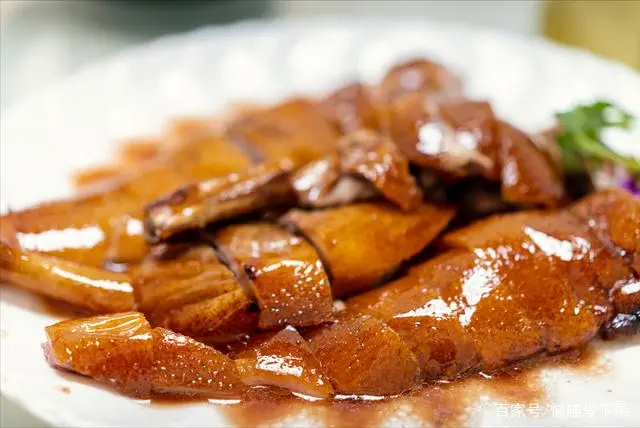
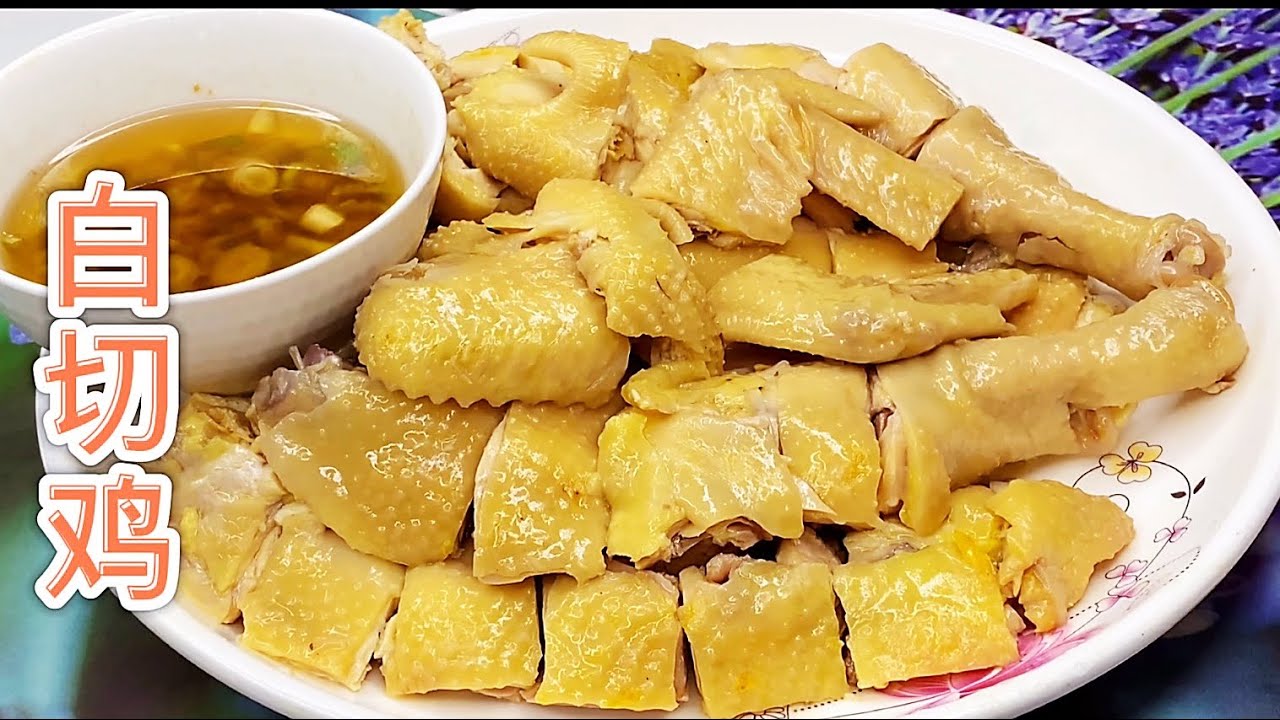
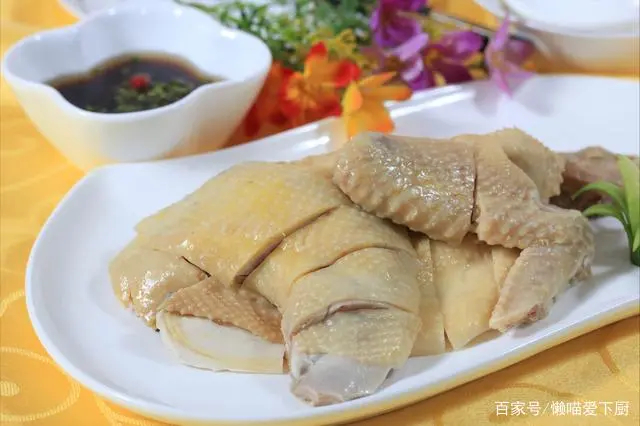
yuè cài jí guǎng dōng cài, jīng lì le liǎng qiān duō nián de fā zhǎn lì chéng, zài wǎn qīng shí qī yǐ jiàn chéng shú. shì jiè gè guó de zhōng cài guǎn, duō shù shì yǐ yuè cài wéi zhǔ, guó wài de zhōng cān jī běn shàng dōu shì yuè cài. yuè cài tè diǎn shì fēng fù jīng xì de xuǎn cái hé qīng dàn de kǒu wèi.
3 粤菜即广东菜,经历了两千多年的发展历程,在晚清时期已渐成熟。世界各国的中菜馆,多数是以粤菜为主,国外的中餐基本上都是粤菜。粤菜特点是丰富精细的选材和清淡的口味。
Cantonese cuisine, that is, Guangdong cuisine, has experienced more than 2000 years of development and has gradually matured in the late Qing Dynasty. Most of the Chinese restaurants in the world are mainly Cantonese food, and most of the Chinese food abroad is Cantonese food. Cantonese cuisine is characterized by rich and delicate ingredients and light taste.
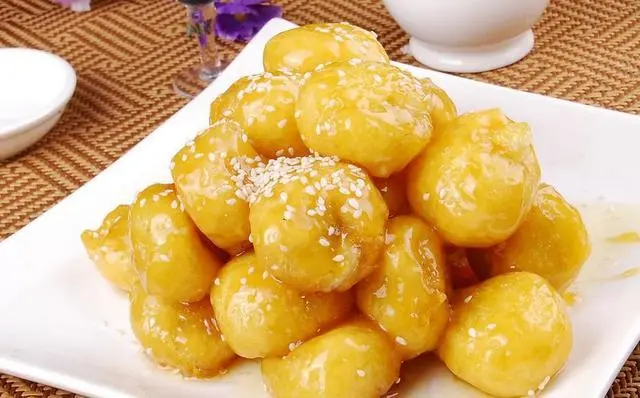
sū cài, jí jiāng sū cài xì. yóu yú jiāng zhè dì qū qì hòu cháo shī, yòu kào jìn yán hǎi, suǒ yǐ wǎng wǎng huì zài cài zhōng zēng jiā táng fēn, lái qù chú shī qì. jiāng sū cài hěn shǎo fàng là jiāo, yīn wèi chī là jiāo suī rán néng gòu qù chú shī qì, dàn shì róng yì shàng huǒ. yīn cǐ, jiāng zhè cài xì shì yǐ piān tián wéi zhǔ. sū cài fēng gé yuán yú sòng dài kāi fēng, sòng shì nán qiān dài rù bìng zhú jiàn zhān jù zhǔ yào dì wèi.
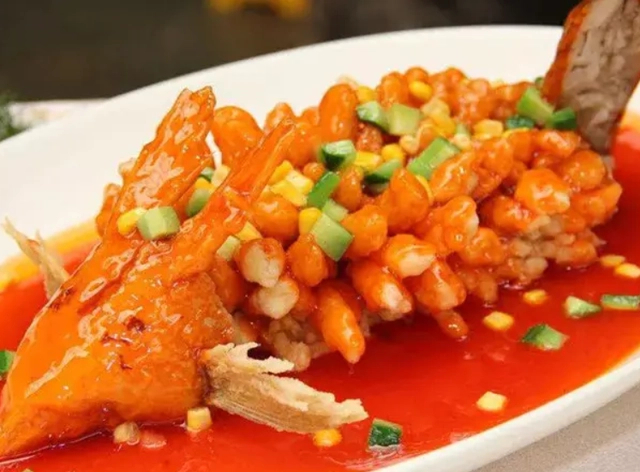
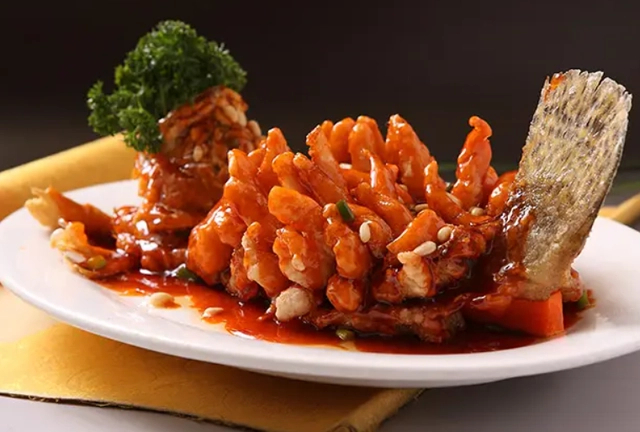
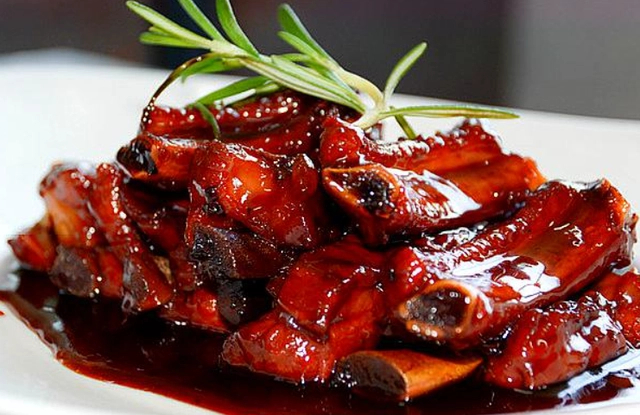
4 苏菜,即江苏菜系。由于江浙地区气候潮湿,又靠近沿海,所以往往会在菜中增加糖分,来去除湿气。江苏菜很少放辣椒,因为吃辣椒虽然能够去除湿气,但是容易上火。因此,江浙菜系是以偏甜为主。苏菜风格源于宋代开封,宋室南迁带入并逐渐占据主要地位。
Jiangsu cuisine. Because the climate in Jiangsu and Zhejiang is humid and close to the coast, sugar is often added to vegetables to remove moisture. Jiangsu cuisine seldom uses chili because chili can remove moisture, but it is easy to catch fire. Therefore, Jiangsu and Zhejiang cuisine is mainly sweet. The style of Soviet cuisine originated from Kaifeng in the Song Dynasty, and it was brought into and gradually occupied the main position by the southern migration of the Song Dynasty.
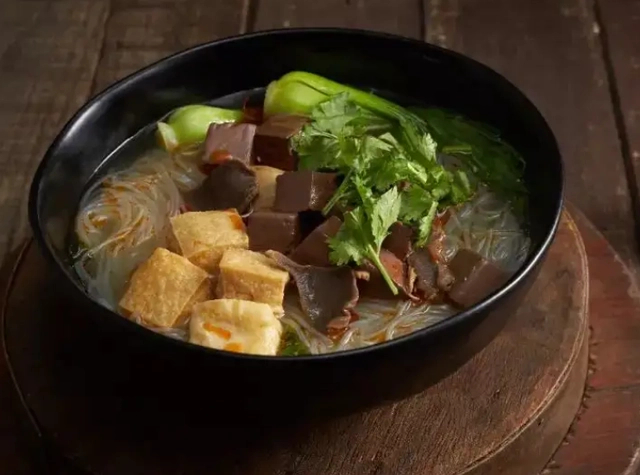
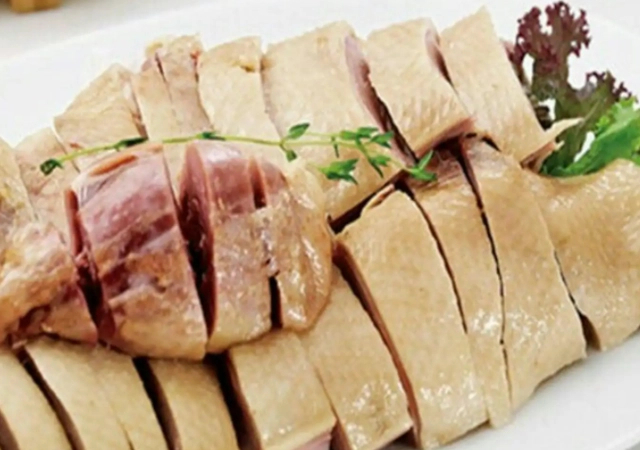
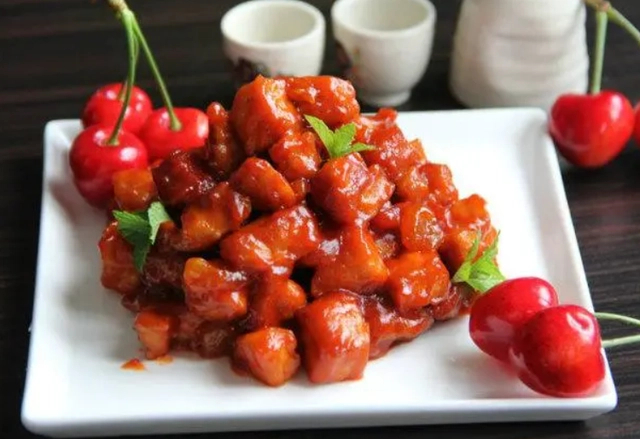
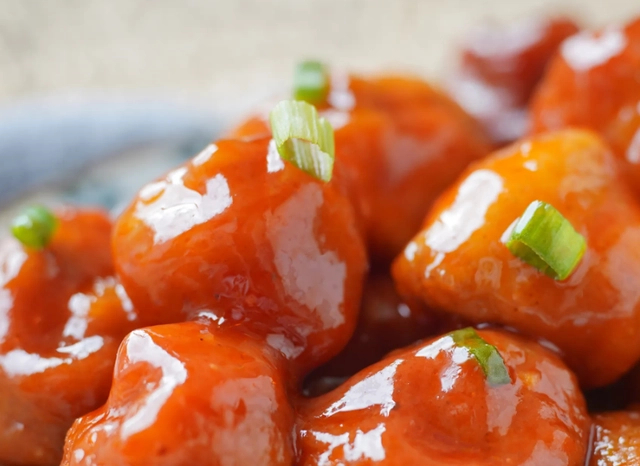
mǐn cài jí fú jiàn cài, wèi dào qīng xiān, dàn shuǎng, piān yú tián suān. yóu qí jiǎng jiū tiáo tāng, tāng xiān, wèi měi, tāng cài pǐn zhǒng duō, jù yǒu chuán tǒng tè sè.
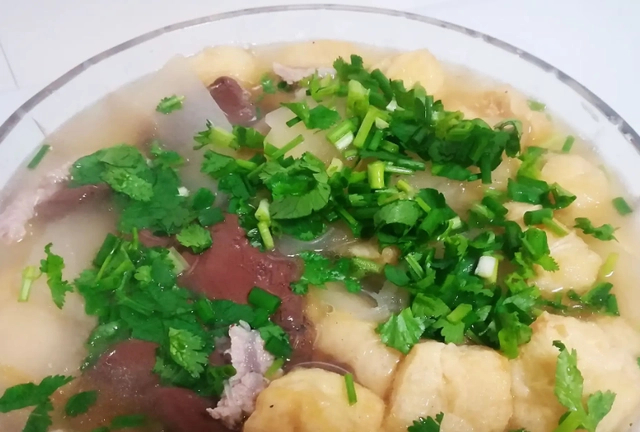
5 闽菜即福建菜,味道清鲜,淡爽,偏于甜酸。尤其讲究调汤,汤鲜、味美,汤菜品种多,具有传统特色。
Fujian cuisine is fresh, light, and sweet and sour. Especially particular attention is paid to mixing soup. The soup is fresh and delicious. There are many kinds of soup dishes with traditional characteristics.
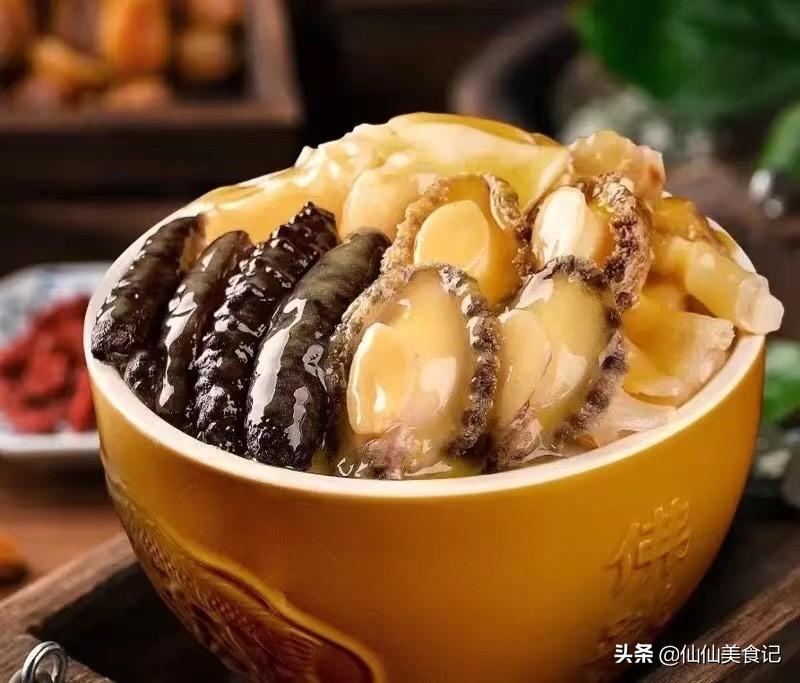
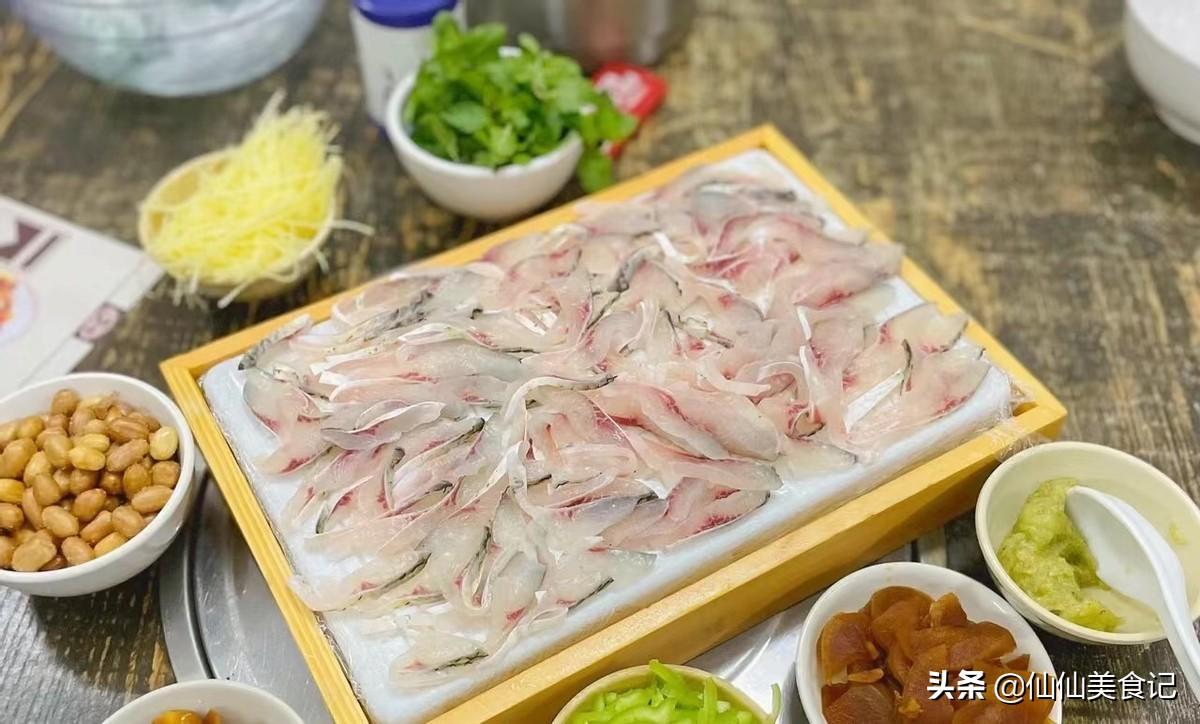
zhè jiāng cài fā yuán yú zhè jiāng shěng, zhè jiāng dì chǔ zhōng guó dōng hǎi zhī bīn, sù chēng yú mǐ zhī xiāng, tè chǎn fēng fù, shèng chǎn shān zhēn hǎi wèi hé gè zhǒng yú lèi. zhè jiāng cài cǎi yòng yuán liào shí fēn guǎng fàn, zhù zhòng shí cái de xīn xiān, hé lǐ dā pèi, yǐ qiú wèi dào de hù bǔ, chōng fèn fā jué chū pǔ tōng shí cái de měi wèi yǔ yíng yǎng. zhè jiāng cài zhòng shì yuán liào de xiān, huó, nèn, yǐ yú, xiā, qín, chù, shí lìng shū cài wéi zhǔ, jiǎng jiū dāo gōng, kǒu wèi qīng xiān, tū chū běn wèi.
6 浙江菜发源于浙江省,浙江地处中国东海之滨,素称鱼米之乡,特产丰富,盛产山珍海味和各种鱼类。浙江菜采用原料十分广泛,注重食材的新鲜、合理搭配,以求味道的互补,充分发掘出普通食材的美味与营养。浙江菜重视原料的鲜、活、嫩,以鱼、虾、禽、畜、时令蔬菜为主,讲究刀工,口味清鲜,突出本味。
Zhejiang cuisine originated in Zhejiang Province, which is located on the coast of the East China Sea and is known as the land of fish and rice. It is rich in specialties and rich in delicacies and various kinds of fish. Zhejiang cuisine uses a wide range of raw materials. It pays attention to the freshness and reasonable collocation of the ingredients in order to complement the taste and fully explore the delicacy and nutrition of common ingredients. Zhejiang cuisine attaches importance to the freshness, liveness and tenderness of raw materials, mainly fish, shrimp, poultry, livestock and seasonal vegetables. It pays attention to knife work, tastes fresh and highlights the original flavor.
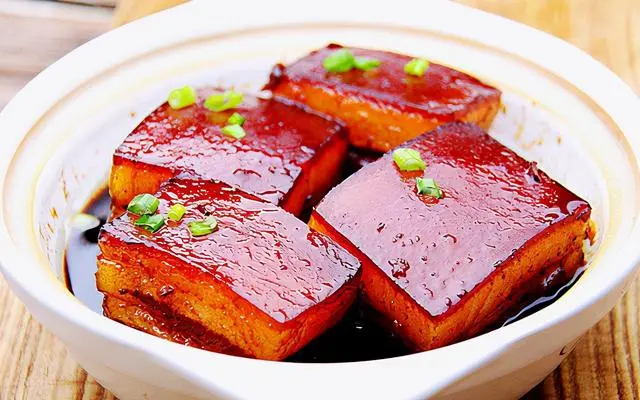
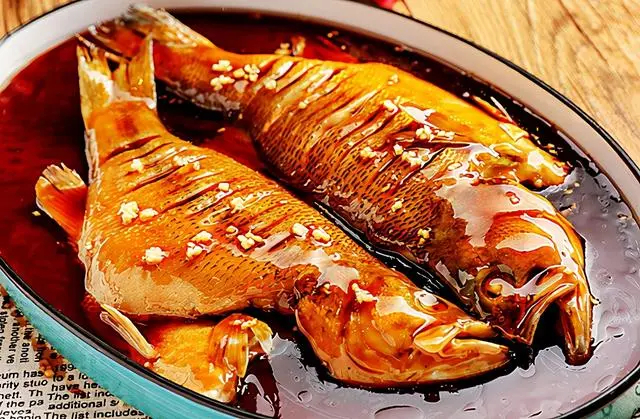
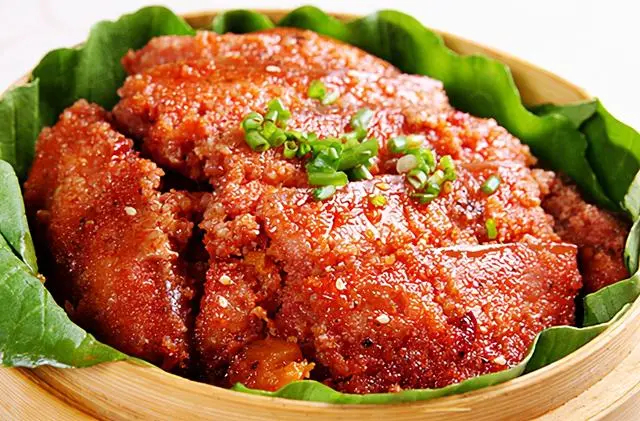
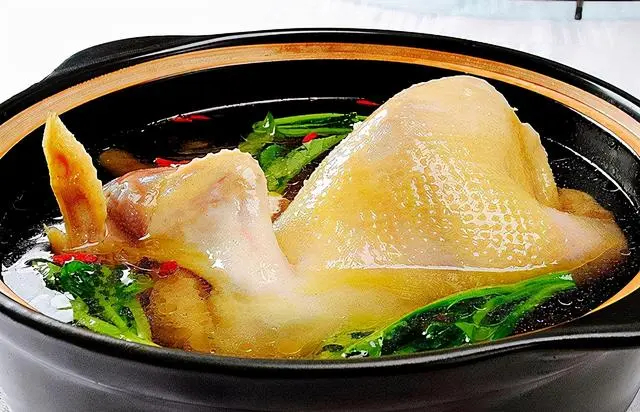
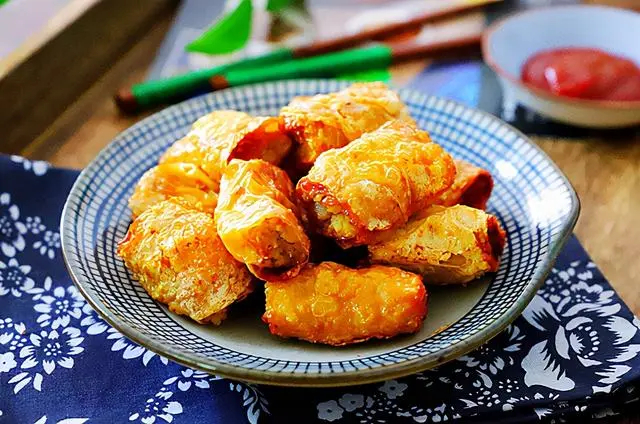
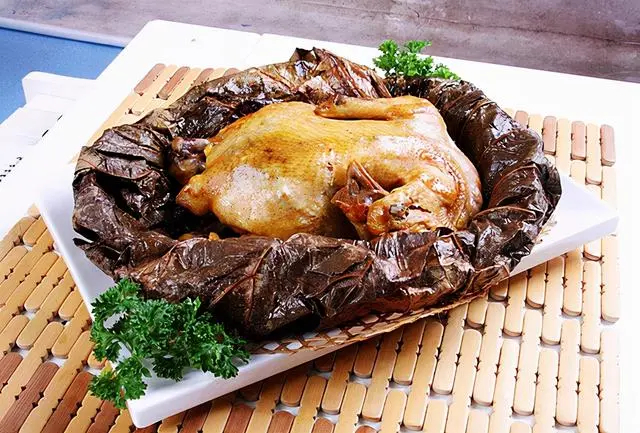
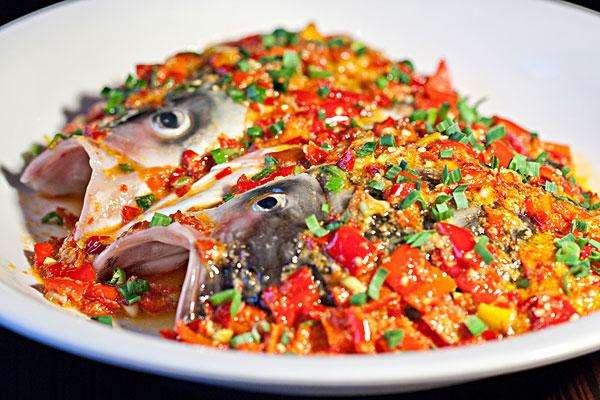
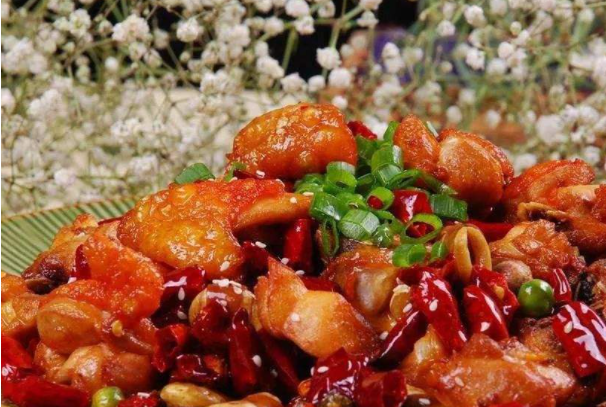
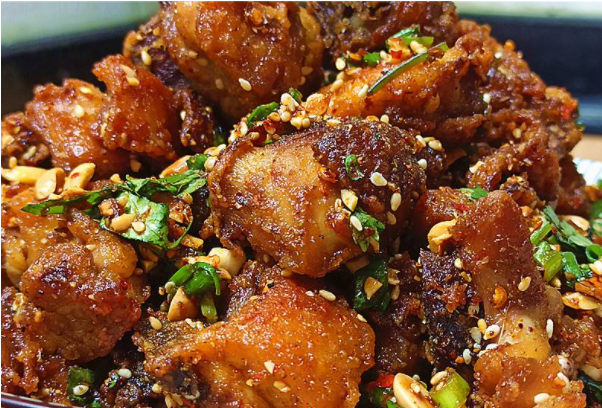
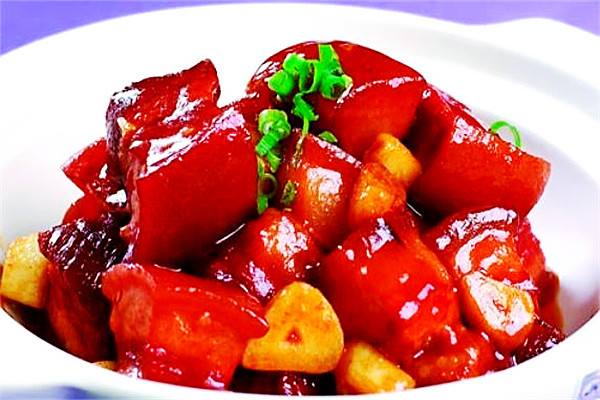
xiāng cài, yòu jiào hú nán cài, shì zhōng guó lì shǐ yōu jiǔ de hàn zú bā dà cài xì zhī yī. xiāng cài tè bié jiǎng jiū tiáo wèi, yóu zhòng suān là, xián xiāng, qīng xiāng, nóng xiān. xià tiān yán rè, qí wèi zhòng qīng dàn, xiāng xiān. dōng tiān shī lěng, wèi zhòng rè là, nóng xiān.
7 湘菜,又叫湖南菜,是中国历史悠久的汉族八大菜系之一。湘菜特别讲究调味,尤重酸辣、咸香、清香、浓鲜。夏天炎热,其味重清淡、香鲜。冬天湿冷,味重热辣、浓鲜。
Hunan cuisine, also known as Hunan cuisine, is one of the eight major cuisines of the Han nationality with a long history in China. Hunan cuisine pays special attention to seasoning, especially sour and spicy, salty, delicate and fresh. It is hot in summer, and its flavor is light and fresh. Winter is wet and cold, and the taste is heavy, hot and fresh.
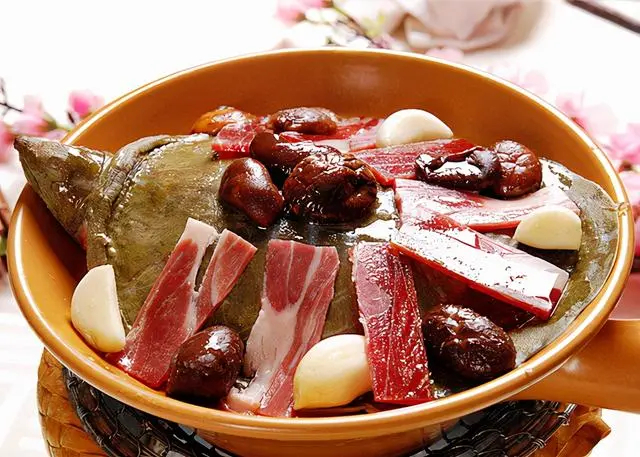
huī zhōu cài, jiǎn chēng huī cài, shì zhōng guó bā dà cài xì zhī yī. huī cài qǐ yuán yú nán sòng shí qī de huī zhōu fǔ. huī cài zhǔ yào tè diǎn shì xǐ yòng huǒ tuǐ zuǒ wèi, yǐ bīng táng tí xiān, shàn yú bǎo chí yuán liào de běn wèi, zhēn wèi, kǒu gǎn yǐ xián, xiān, xiāng wéi zhǔ, fàng táng bù jué qí tián.
8 徽州菜,简称徽菜,是中国八大菜系之一。徽菜起源于南宋时期的徽州府。徽菜主要特点是喜用火腿佐味,以冰糖提鲜,善于保持原料的本味、真味,口感以咸、鲜、香为主,放糖不觉其甜。
Anhui Cuisine cuisine, abbreviated as Huizhou cuisine, is one of the eight major cuisines in China. Anhui Cuisine cuisine originated from Huizhou Prefecture in the Southern Song Dynasty. The main characteristics of Anhui Cuisine cuisine are that it likes to use ham to add flavor, and it is fresh with rock sugar. It is good at maintaining the original taste and true taste of raw materials. The taste is mainly salty, fresh and fragrant, and it is not sweet when sugar is added.
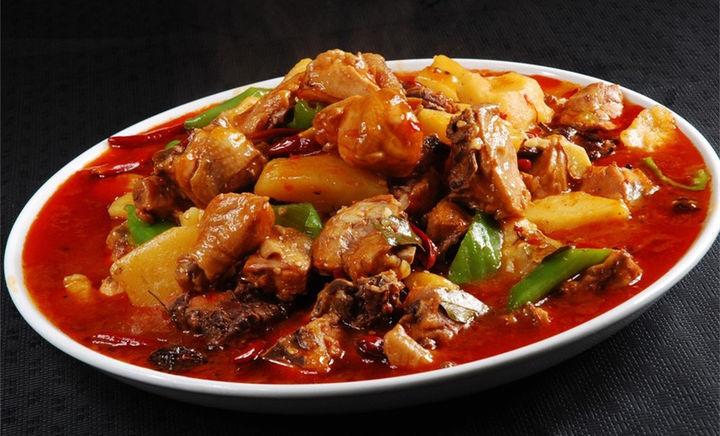
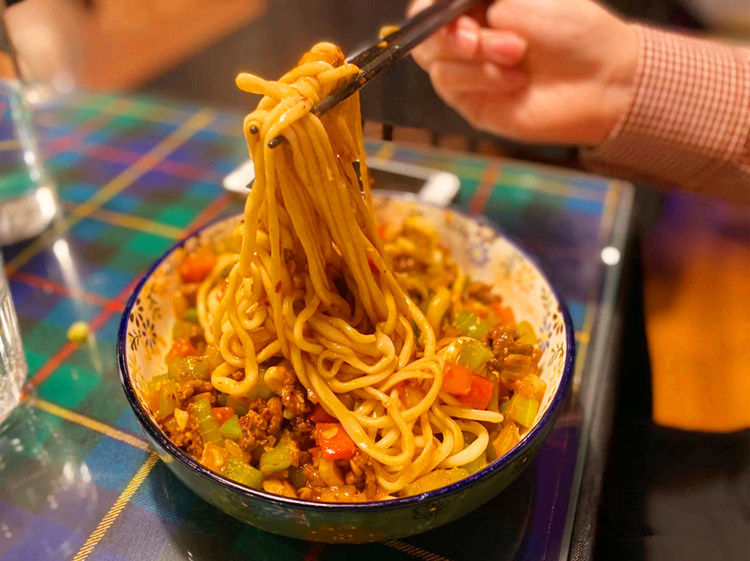
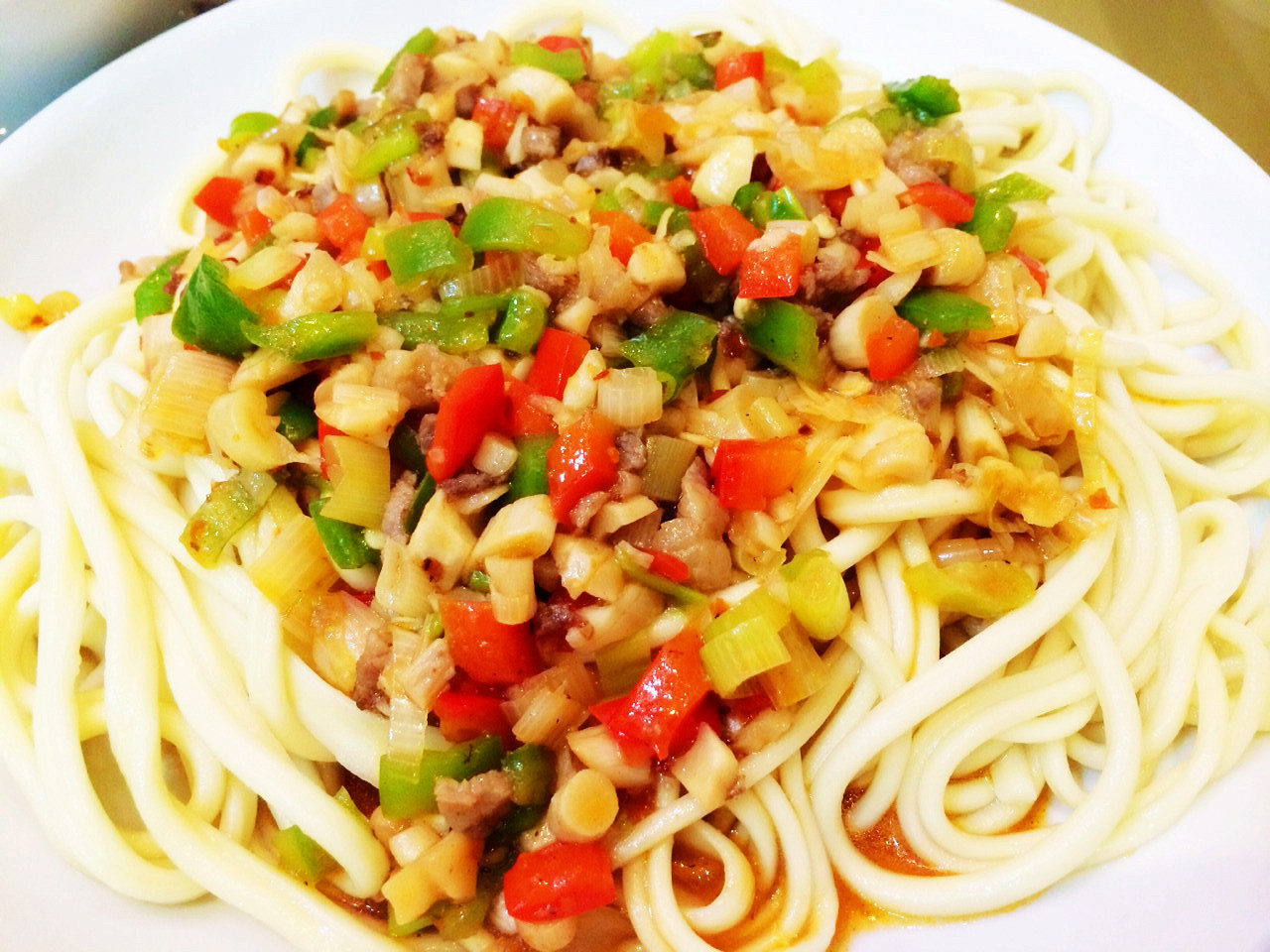
chú le bā dà cài xì, nǐ zài zhōng guó yě kě yǐ pǐn cháng dào qí tā yǒu míng de tè sè cài, bǐ rú:
除了八大菜系,你在中国也可以品尝到其他有名的特色菜,比如:
In addition to the eight major cuisines, you can also taste other famous specialties in China, such as:
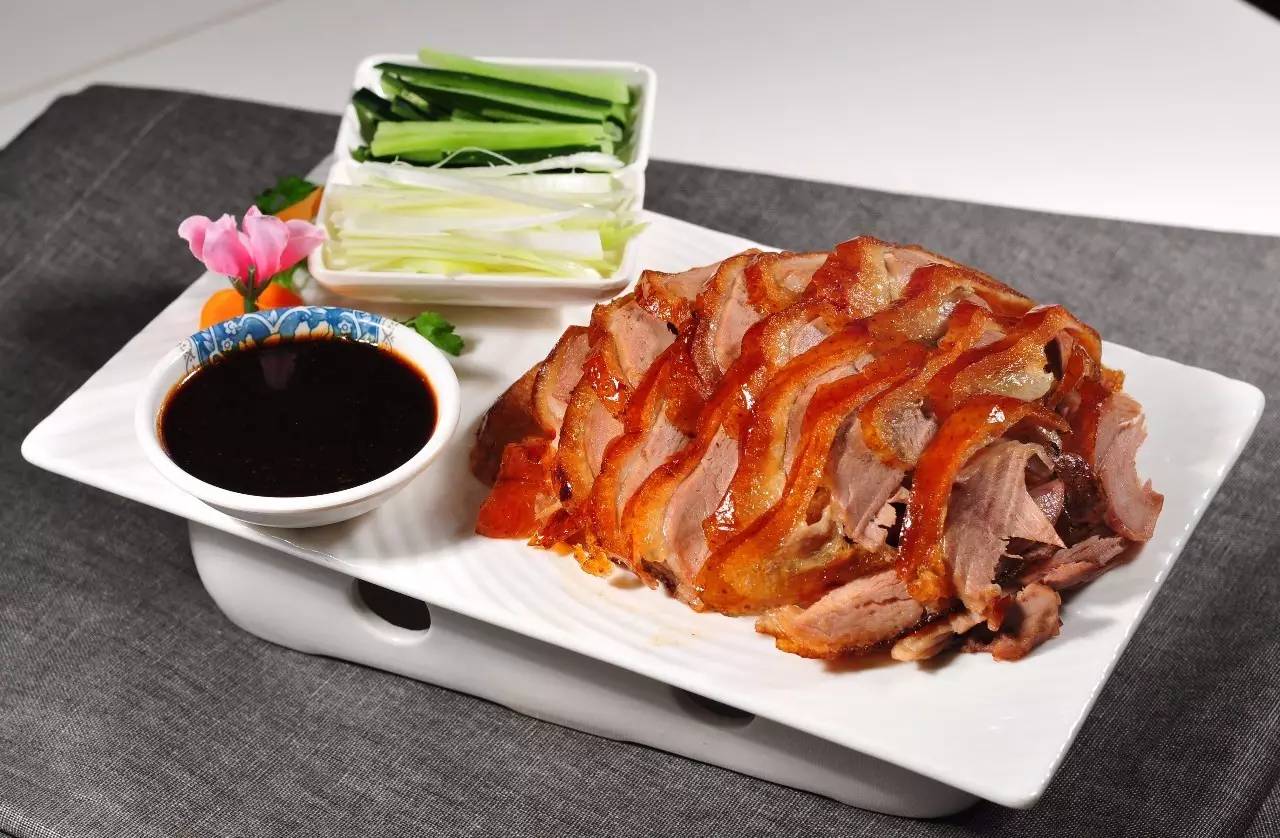
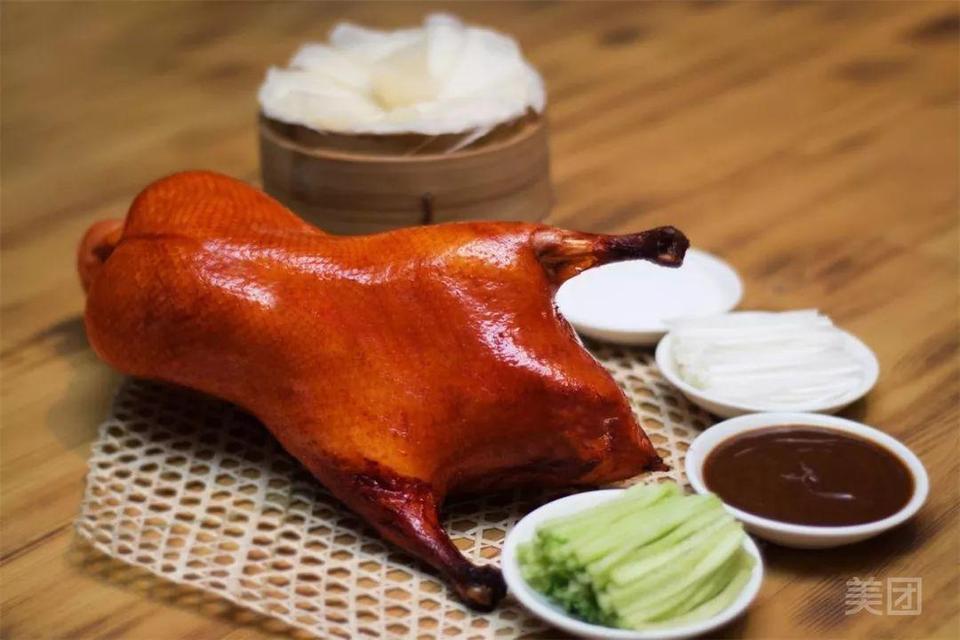
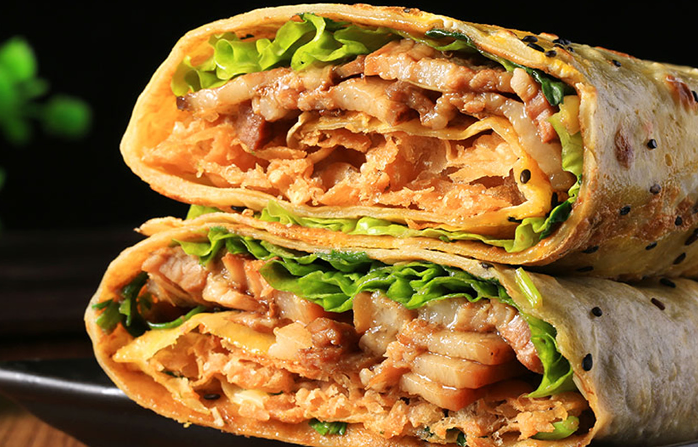
běi jīng cài , rú běi jīng kǎo yā hé jiān bǐng guǒ zǐ.
北京菜,如北京烤鸭和煎饼果子。
Beijing cuisine, such as Beijing roast duck and pancake rolled with crisp fritter.
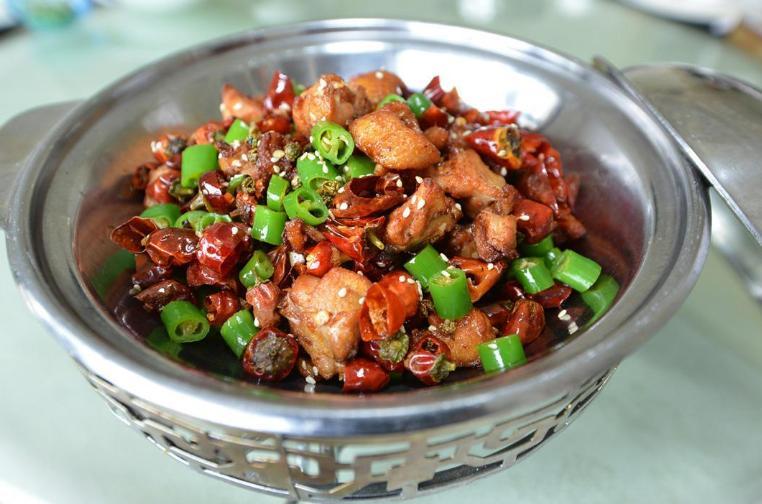
kè jiā cài
客家菜
Hakka cuisine
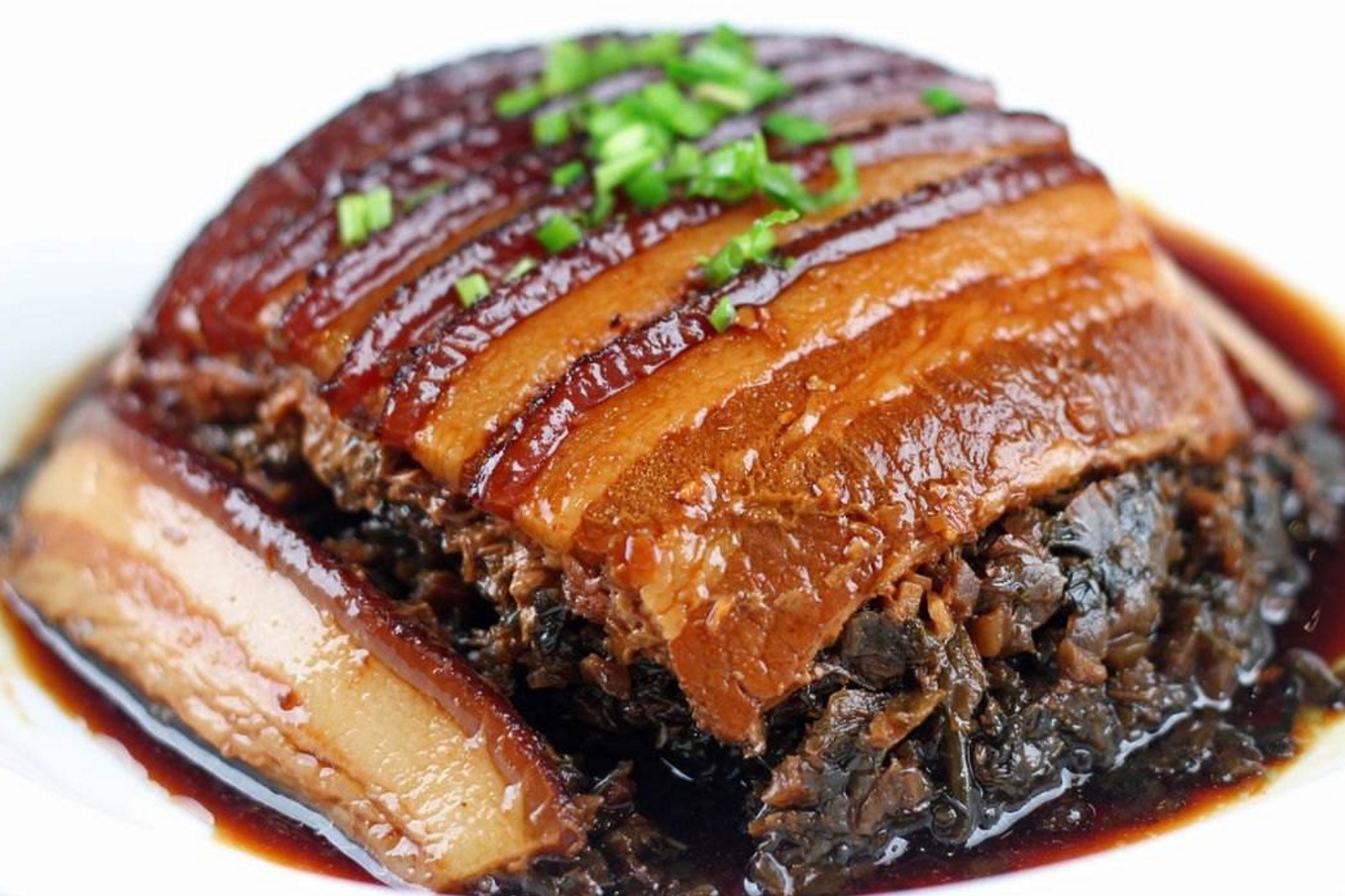
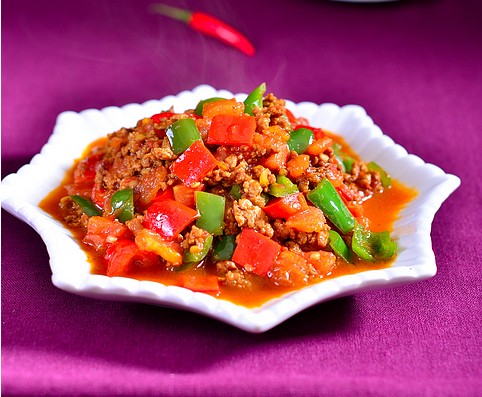
yún nán cài
云南菜
Yunnan cuisine
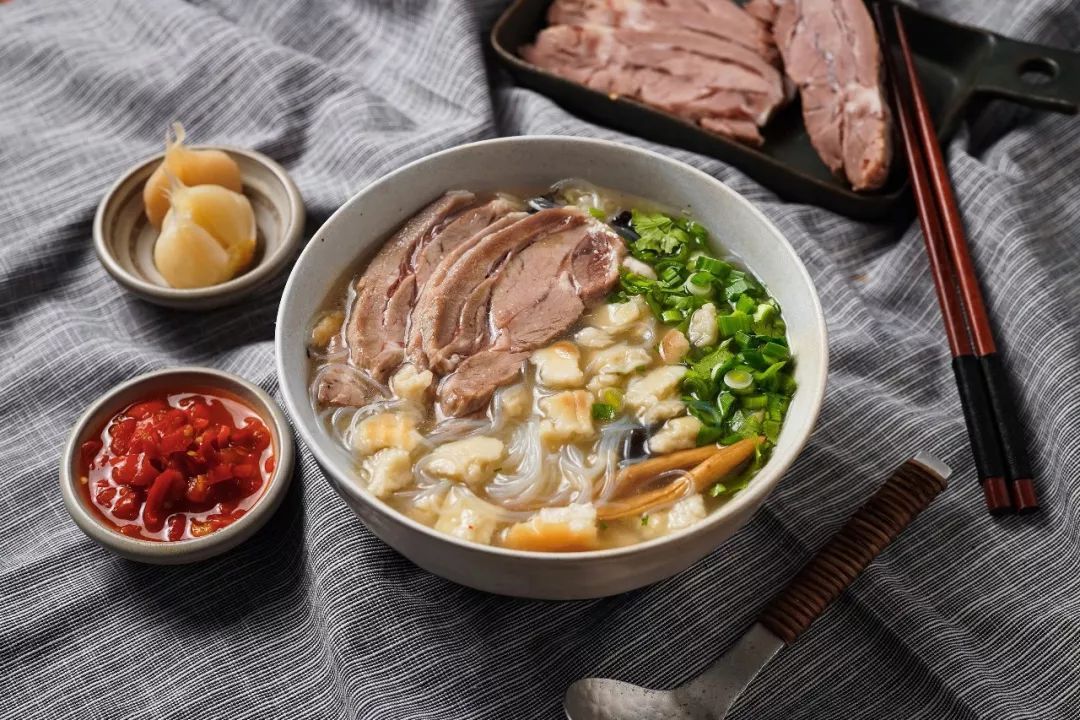
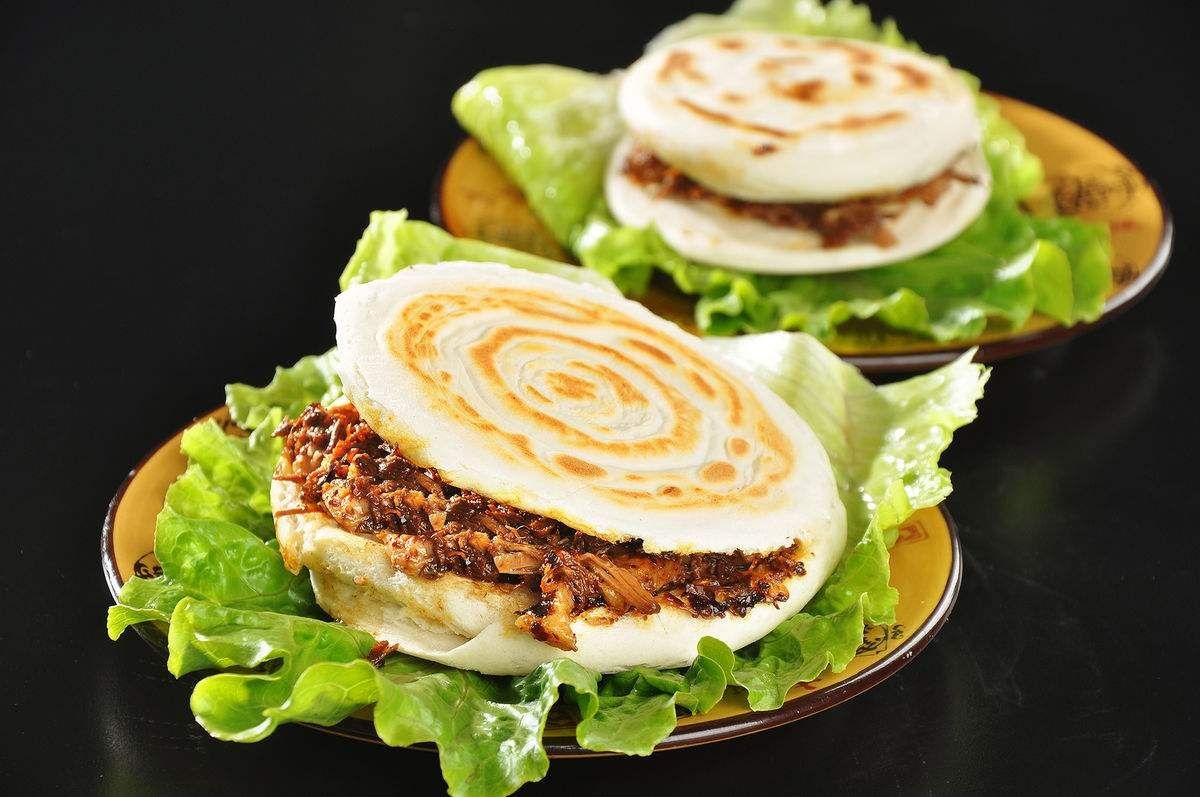
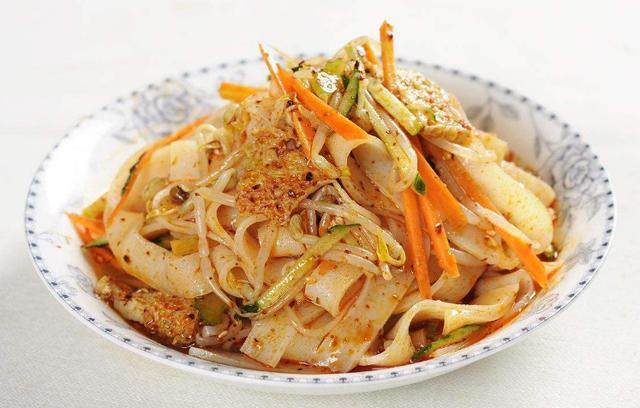
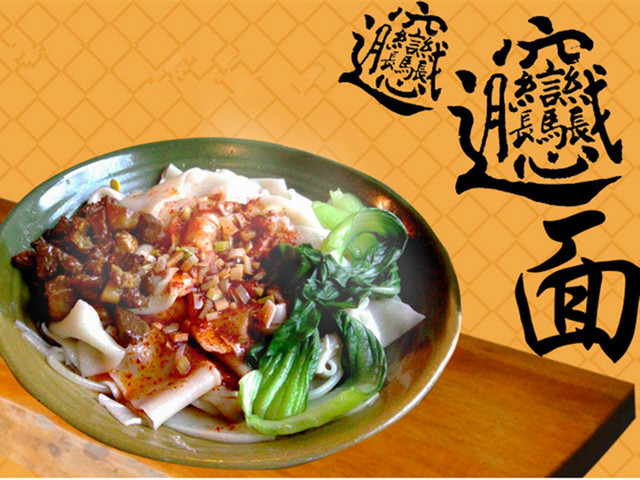
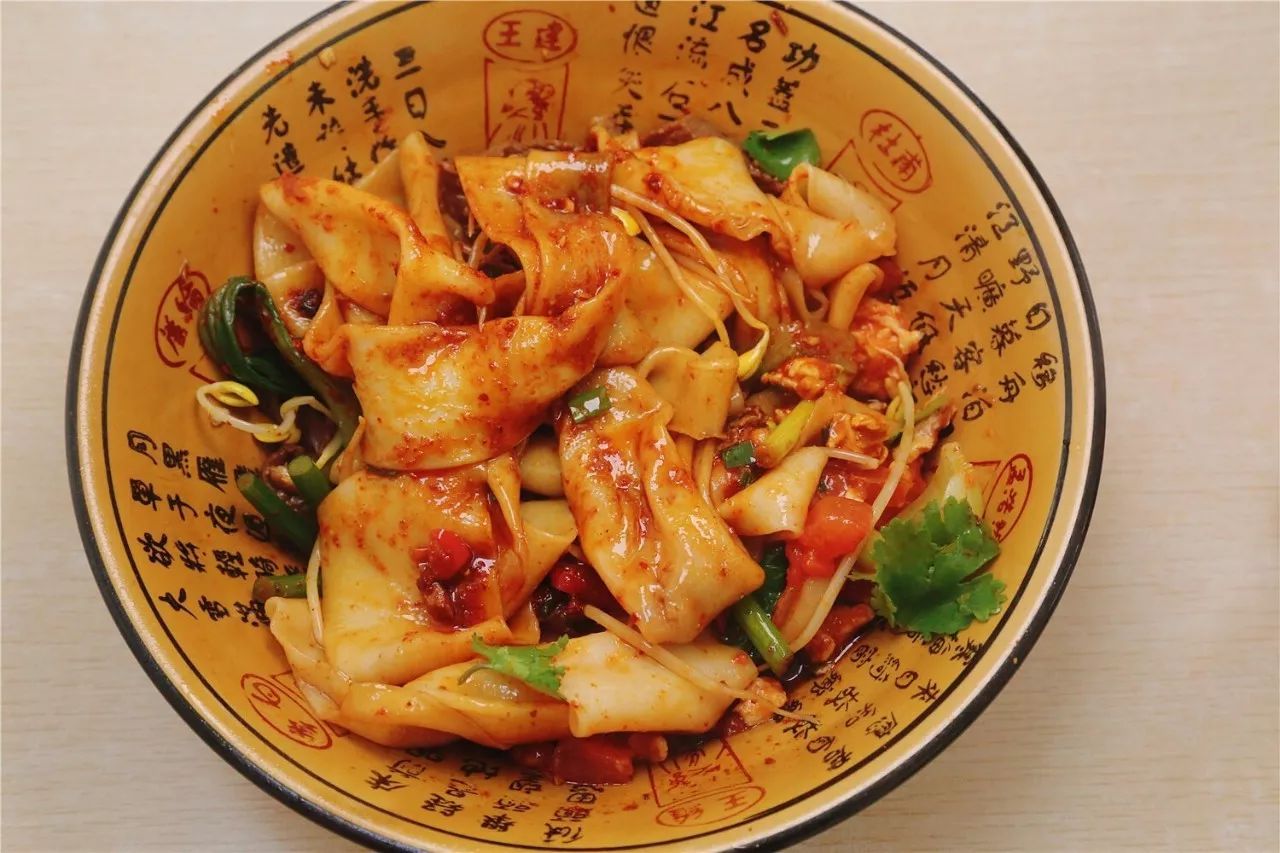
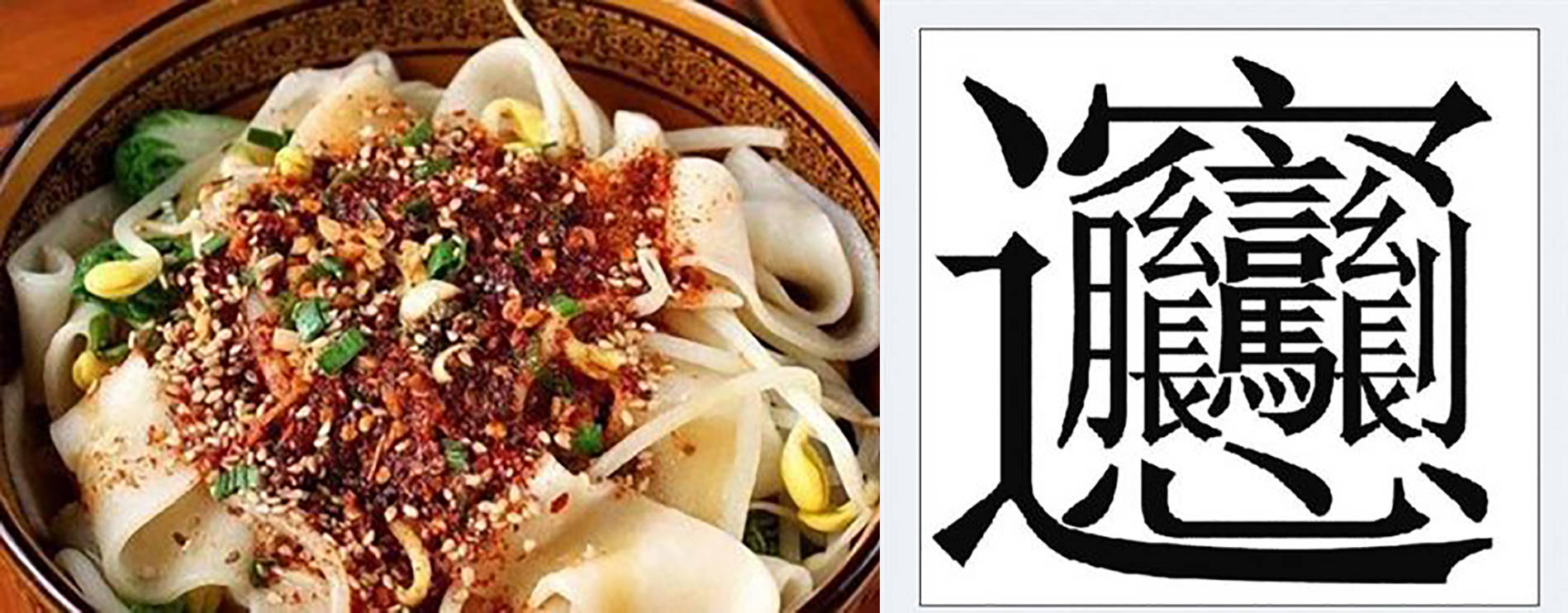
shǎn xī cài
陕西菜
Shaanxi cuisine
xīn jiāng cài
新疆菜
Xinjiang cuisine
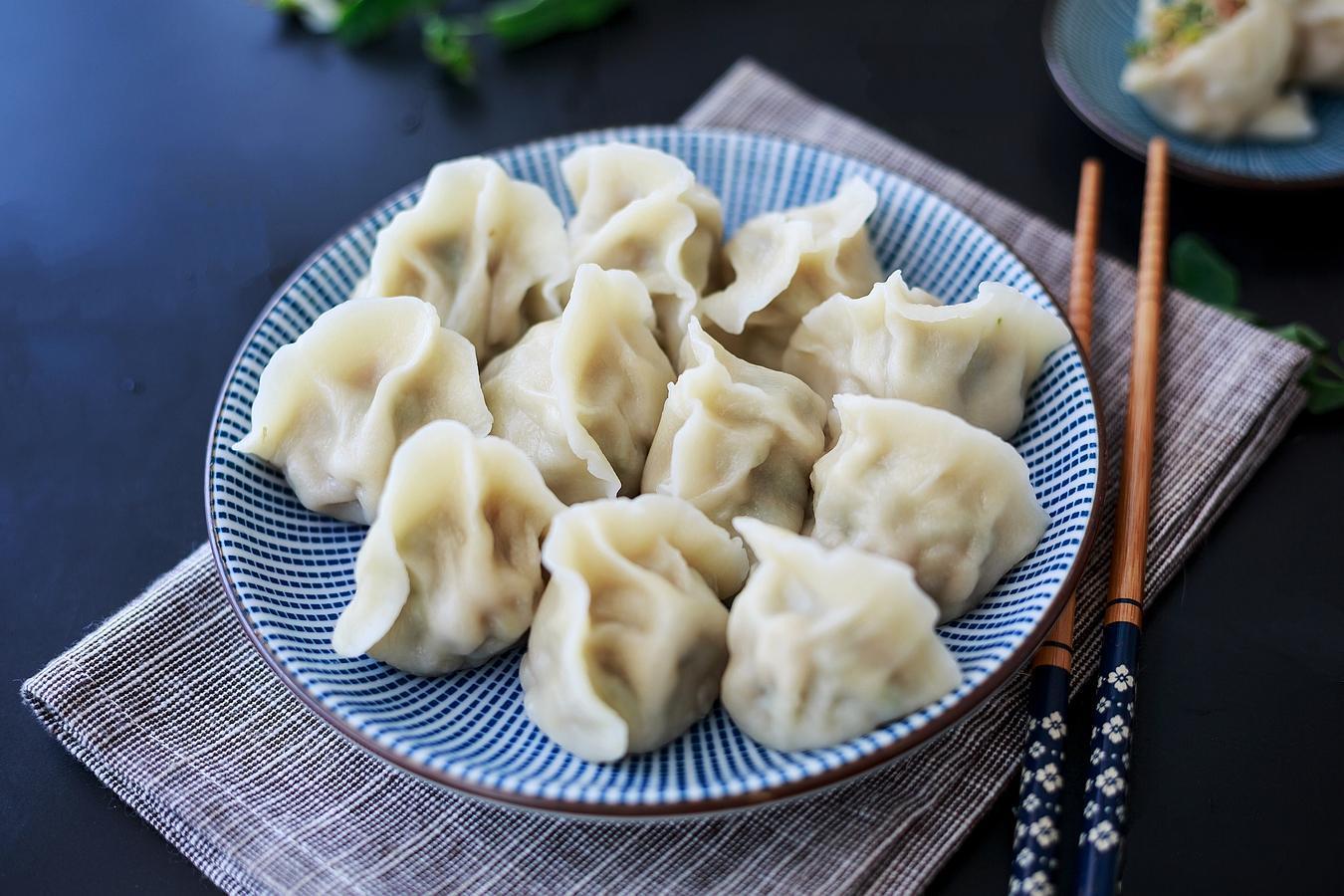
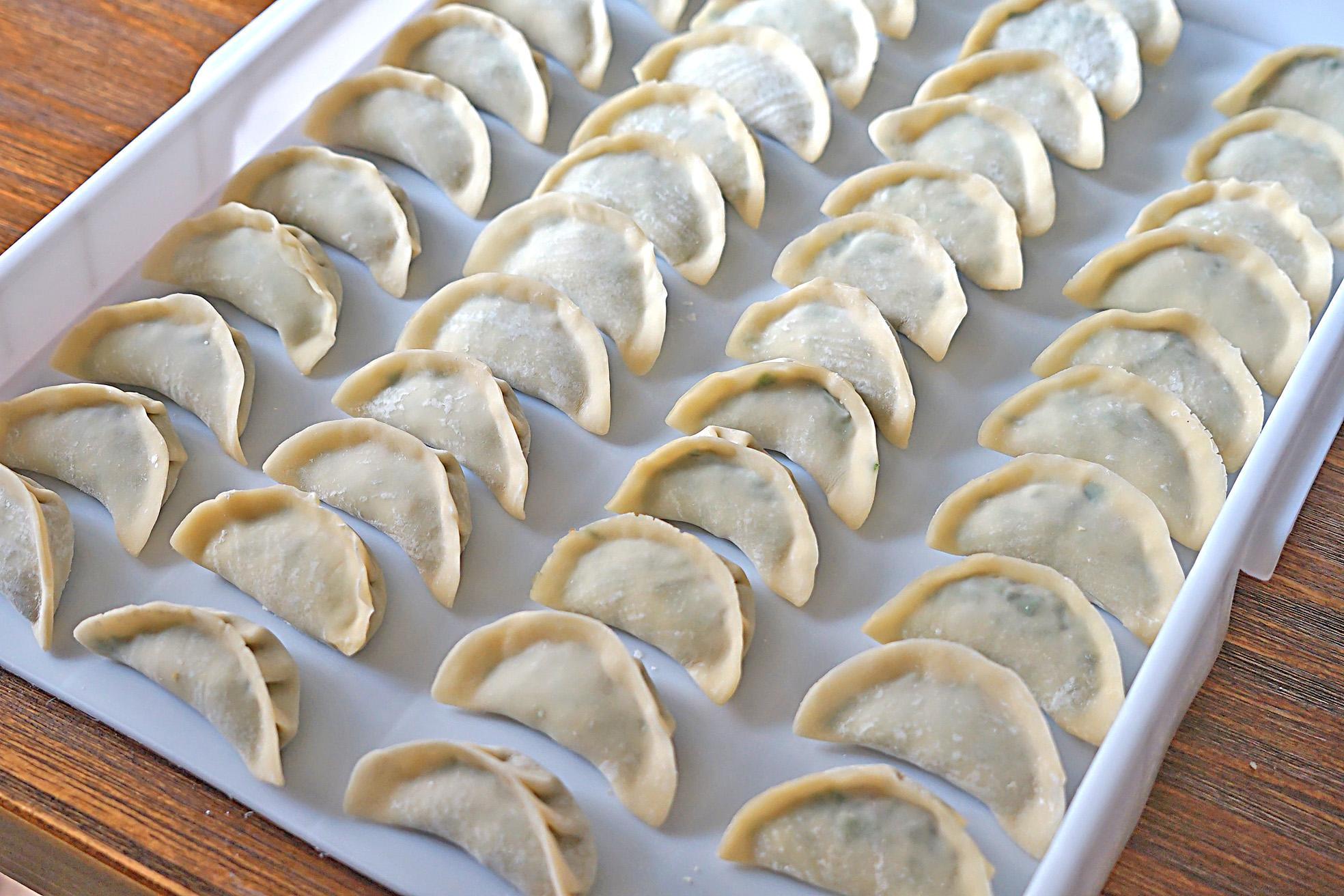
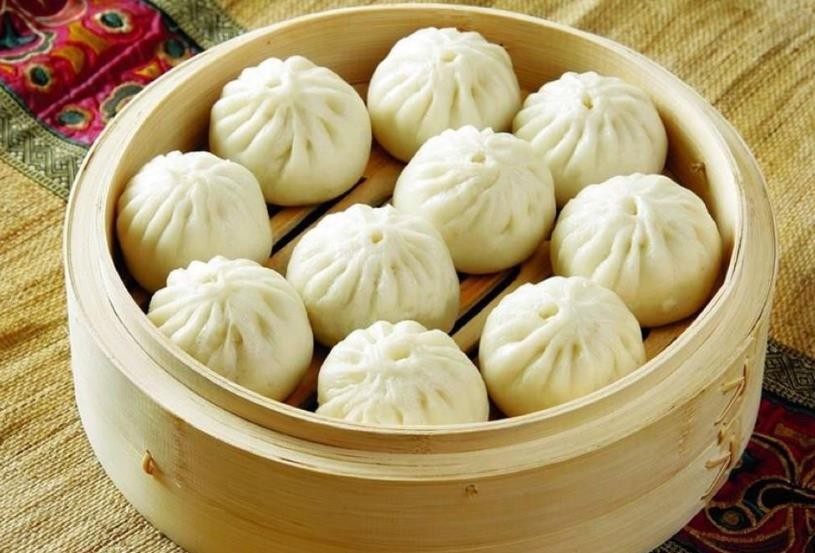
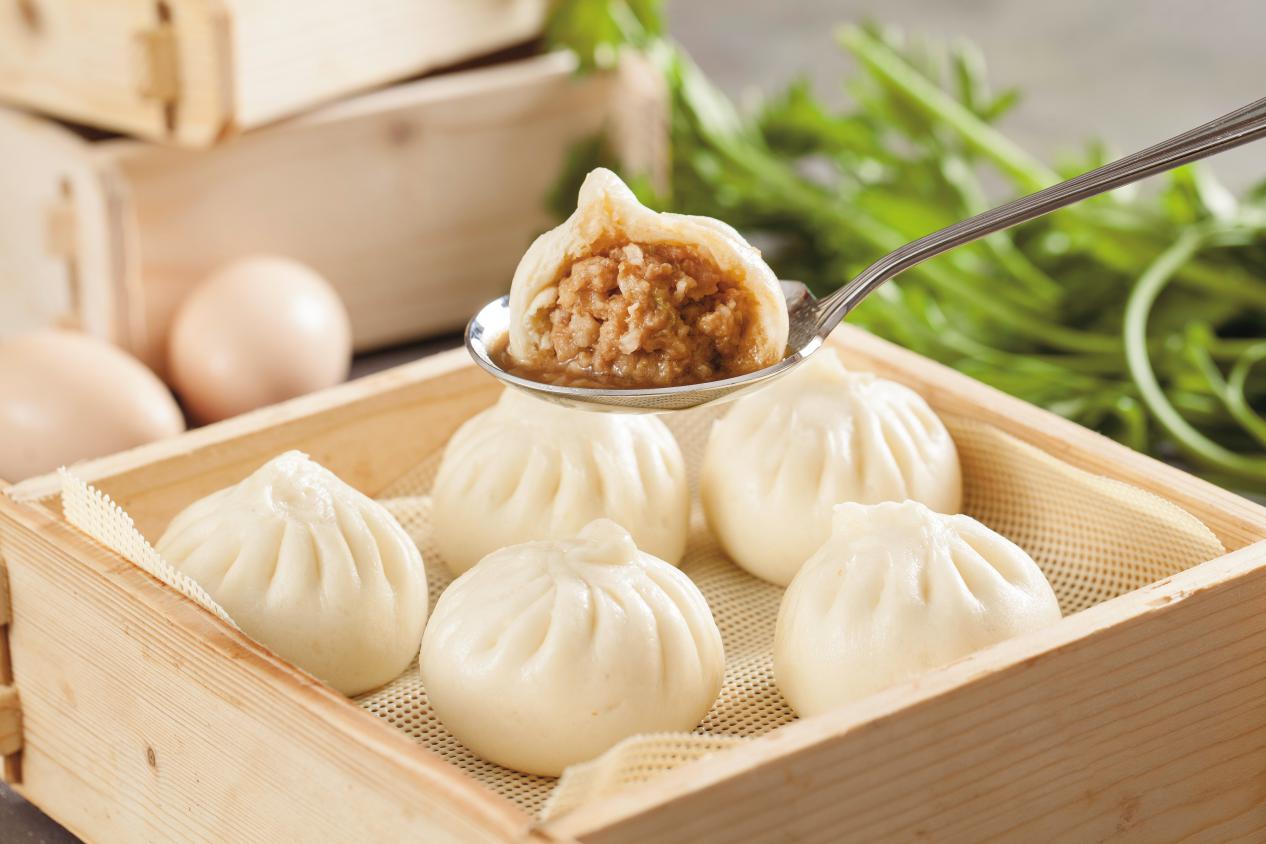
dāng rán, jiǎo zi hé xiǎo lóng bāo zài zhōng guó yě hěn liú xíng.
当然,饺子和小笼包在中国也很流行。
Of course, dumplings and steamed meat buns are also popular in China.
Leave a Reply