
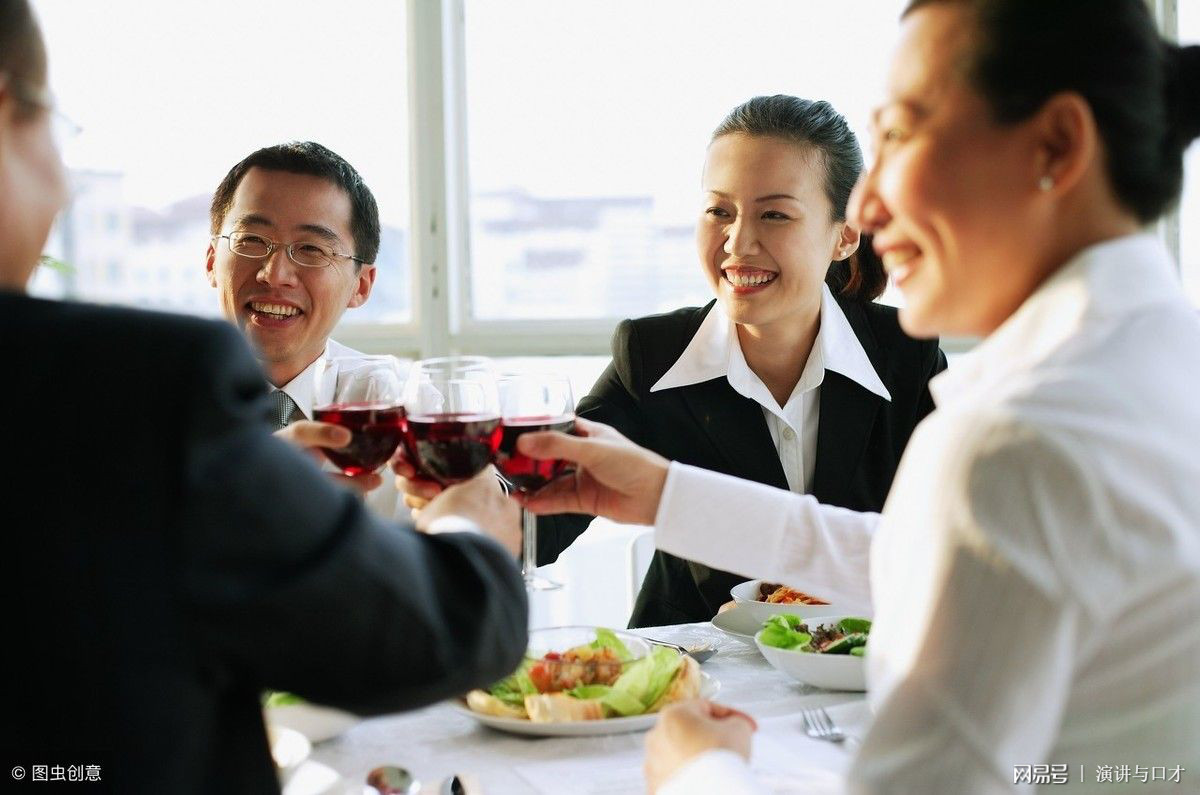
Héxīn jù 核心句
Core Sentence
Zhǎo shíjiān wǒmen jù yī jù!
找时间我们聚一聚!
Let’s find a time to get together!
Jù xíng yǔ tìhuàn 句型与替换
Sentence Pattern & Substitution
Gǎitiān
改天
Another day
jīntiān wǎnshàng
今天晚上
tonight
zhège zhōumò
这个周末
this weekend
huìyì wán le
会议完了
after the meeting
shì er bàn wán le
事儿办完了
after finishing the business
yǒu kòng
有空
have free time
Kuòzhǎn 扩展
Extension
Hǎojiǔ bùjiàn.
1 好久不见。
Long time no see.
Nín shì dàmáng rén!
2 您是大忙人!
You are busy man!
Wǒ hái méi láidéjí xiè nín ne!
3 我还没来得及谢您呢!
I have not been able to express my appreciation yet!
Wǒmen shì lǎo péngyǒule, yīnggāi de!
4 我们是老朋友了,应该的!
We are old friends. That’s the way it’s supposed to be.
Duìhuà shílì 对话实例
Dialogue Example
Jiǎ: Wáng zǒng, hǎojiǔ bùjiàn (a)!
甲:王总,好久不见(啊)!
General Manager Wang, it’s been a long time to see each other!
Yǐ: Shì a, lǐ zǒng, nín shì dàmáng rén a!
乙:是啊,李总,您是大忙人啊!
Yes, General Manager Li, you are busy man!
Jiǎ: Nǎlǐ nǎlǐ, dàjiā dōu máng. Zhèyàng ba, zhǎo shíjiān (wǒmen) jù yī jù?
甲:哪里哪里,大家都忙。这样吧,找时间(我们 )聚一聚?
That’s not true, everyone is busy. How about finding a time to get together?
Yǐ: Hǎo a. Zhè cì wǒ qǐngkè. Shàng cì nín bāngle wǒ dàmáng, wǒ hái méi láidéjí xiè nín ne!
乙:好啊。这次我请客。上次您帮了我大忙,我还没来得及谢您呢!
Sounds good! This time will be my treat! Last time you helped me a lot, and I haven’t been able to express my appreciation yet!
Jiǎ: Zhè shì nǎ’er dehuà, nín tài kèqìle. Lǎo péngyǒule, yīnggāi de!
甲:这是哪儿的话,您太客气了。老朋友了,应该的!
What are you talking about? You are too polite! We are old friends and that’s the way it’s supposed to be.
Xiāngguān cíyǔ 相关词语
Related words
Jùhuì
1 聚会
party
qǐngkè
2 请客
Treat
qǐng… chīfàn
3 请…吃饭
Treat someone to lunch or dinner
bāng máng
4 帮忙
help, do a favor
qǐng… bāng máng
5 请…帮忙
Ask someone for a favor
dáxiè
6 答谢
to express appreciation
chóuxiè
7 酬谢
to thank sb.with a gift
bié kèqì
8 别客气
You are welcome
méiguānxì
9 没关系
It’s OK. It doesn’t matter.
Wénhuà dǎoháng 文化导航
Cultural navigation
Súhuà shuō:“Zàijiā kào fùmǔ, chūmén kào péngyǒu”‘ “duō gè péngyǒu duō tiáo lù”.
俗话说:“在家靠父母,出门靠朋友”‘、”多个朋友多条路”。
As the saying goes: “You rely on your parents at home, and friends when you go out.”
Bù nán kàn chū, rénjì guānxì zài zhōngguó shèhuì hé wénhuà zhōng shì fēicháng zhòngyào de.
不难看出,人际关系在中国社会和文化中是非常重要的。
It is not difficult to see that interpersonal relationships are very important in Chinese society and culture.
Suǒyǐ jīhū měi gè zài zhōngguó gōngzuò huò shēnghuóguò de wàiguó rén dōu zhīdào “guānxì” zhège cí, yě dū dǒngdé jiànlì “guānxì” de bìyào xìng.
所以几乎每个在中国工作或生活过的外国人都知道“关系”这个词,也都懂得建立“关系”的必要性。
Therefore, almost every foreigner who has worked or lived in China knows the word “relationship” and understands the necessity of establishing a “relationship”.
Bùguò,“guānxì “juéduì bùshì yī bǎ wànnéng yàoshi.
不过,“关系“绝对不是一把万能钥匙。
However, “relationship” is definitely not a master key.
Lànyòng “guānxì” bùdàn kěnéng huì dài lái bù bìyào de máfan, érqiě yǒushí hái kěnéng chùfàn fǎlǜ.
滥用“关系”不但可能会带来不必要的麻烦,而且有时还可能触犯法律。
Abuse of “relationship” may not only cause unnecessary trouble but sometimes it may violate the law.
Leave a Reply