Héxīn jù 核心句
Core Sentence
Nándé néng yǒu zhèyàng de jīhuì, ràng wǒ jìng nín yībēi!
难得能有这样的机会,让我敬您一杯!
It is rare to have such an opportunity, please allow me to propose a toast to you!
Jù xíng yǔ tìhuàn 句型与替换
Sentence Pattern & Substitution
Hěn gāoxìng
很高兴
very happy
hǎobù róngyì
好不容易
not easy
lái, gānbēi!
来,干杯!
Cheers!
Wǒmen xiān gàn yībēi!
我们先干一杯!
Let’s make a toast first!
Jīntiān dàjiā yì dìng yào jìnxìng!
今天大家一定要尽兴!
Be sure to have a great time today!
Kuòzhǎn 扩展
Extension
Qǐng zuò zhè’er!
1 请坐这儿!
Please have a seat here!
Nǐmen yě doū qǐng zuò!
2 你们也都请坐!
Please have a seat too!
Tāngmǔ bù tài néng hējiǔ.
3 汤姆不太能喝酒。
Tom isn’t very good at drinking.
Wèi wǒmen hézuò chénggōng gānbēi!
4 为我们合作成功干杯!
Let’s cheers to our successful cooperation!
Duìhuà shílì 对话实例
Dialogue Example
Jiǎ: Jiékèxùn xiānshēng, nín qǐng zuò zhè’er!
甲:杰克逊先生,您请坐这儿!
Mr. Jackson, please have a seat here!
Yǐ: Xièxiè! Lǐ jīnglǐ, zhāng xiānshēng, nǐmen yě doū qǐng zuò!
乙:谢谢!李经理,张先生,你们也都请坐!
Thank you. Manager Li and Mr. Zhang, please have a seat too!
Jiǎ: Nándé néng yǒu zhèyàng de jīhuì, ràng wǒ jìng nín yībēi!
甲:难得能有这样的机会,让我敬您一杯!
It is rare to have such an opportunity, and allow me to propose a toast to you!
Yǐ: Wǒ bù tài néng hējiǔ, dàjiā yì qǐ gàn yībēi ba!
乙:我不太能喝酒,大家一起干一杯吧!
I’m not very good at drinking. Let’s drink a toast together!
Bǐng: Wèi wǒmen hézuò chénggōng gānbēi!
丙:为我们合作成功干杯!
Let’s cheers for our successful collaboration.
Jiǎ: Gèwèi qǐng suíyì.
甲:各位请随意。
Everyone, please help yourselves.
Xiāngguān cíyǔ 相关词语
Related words
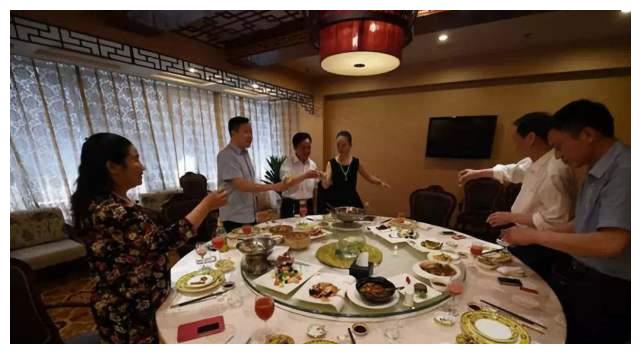
Fànjú
1 饭局
dinner party
yànhuì
2 宴会
banquet
zhāodài huì
3 招待会
reception
jiǔhuì
4 酒会
cocktail reception
gānbēi
5 干杯
cheers
jìngjiǔ
6 敬酒
to propose a toast
jìnxìng
7 尽兴
to enjoy oneself to the full
hézuò
8 合作
collaboration
shùnlì
9 顺利
smooth
suíyì
10 随意
to do as one pleases
Wénhuà dǎoháng 文化导航
Cultural navigation
Dāng cānjiā fànjú huòzhě chūxí yànhuì de shíhòu, nǐ yīnggāi duì zhōngguó rén de yīxiē xíguàn yǒu suǒ liǎojiě.
当参加饭局或者出席宴会的时候,你应该对中国人的一些习惯有所了解。
When attending a dinner or a banquet, you should have an understanding of some Chinese habits.
Zài yànhuì shàng, guìbīn hé zhǔrén bèi ānpái zài shàngzuò. Yībān lái shuō, miàn duìzhe mén huòzhě rùkǒu de zuòwèi shì shàngzuò.
在宴会上,贵宾和主人被安排在上座。一般来说,面对着门或者入口的座位是上座。
At the banquet, the distinguished guests and the host were arranged in the table. Generally speaking, the seat facing the door or entrance is the upper seat.
Fànjú huòzhě yànhuì dāngrán dōu shàobùliǎo jiǔ. “Gānbēi” de yìsi shì hē wán bēizi lǐ de jiǔ. Bùguò, rúguǒ nǐ bùxiǎng mǎshàng jiù zuì, zuì hǎo bùyào bǎjiǔ yī kǒuqì hē xiàqù.
饭局或者宴会当然都少不了酒。 “干杯”的意思是喝完杯子里的酒。不过,如果你不想马上就醉,最好不要把酒一口气喝下去。
Of course, wine is indispensable for dinner or banquet. “Cheers” means to finish drinking the wine in the glass. However, if you don’t want to get drunk right away, it’s best not to drink it all at once.
Zhōngguó rén xíguàn xiān hējiǔ, chī cài, zài chīfàn, hē tāng. Suǒ yǐshàng cài de cìxù shì xiān shàng lěngpán, zài shàng rè chǎo hé zhǔ cài, zuìhòu cái shì mǐfàn, tāng hé tiándiǎn.
中国人习惯先喝酒、吃菜、再吃饭、喝汤。所以上菜的次序是先上冷盘,再上热炒和主菜,最后才是米饭、汤和甜点。
Chinese people are accustomed to drinking, eating vegetables, then eating, and drinking soup. So the order of serving is to serve the cold dishes first, then the hot stir fry and the main course, and finally the rice, soup and dessert.
Zài fànzhuō shàng, duìyú yīgè hái bù tài xíguàn zhōngguó yànhuì shàng hējiǔ, chī cài fāngshì de wàiguó rén lái shuō, zuì yǒuyòng de cí dàgài shì “suíyì”, yìsi shì chī nǐ xǐhuān chī de huòzhě hē nǐ néng hē de. “Suíyì” jì kěyǐ duì zhuō shàng de měi gèrén shuō, yě kěyǐ yòng zuò jǐ zìjǐ de hǎo jièkǒu.
在饭桌上,对于一个还不太习惯中国宴会上喝酒、吃菜方式的外国人来说,最有用的词大概是“随意”,意思是吃你喜欢吃的或者喝你能喝的。 “随意”既可以对桌上的每个人说,也可以用作给自己的好借口。
At the dinner table, for a foreigner who is not used to the way of drinking and eating at Chinese banquets, the most useful word is probably “random”, which means to eat what you like or drink what you can drink. “Free” can be said to everyone at the table, or it can be used as a good excuse for yourself.
Leave a Reply